*Preliminary Declaration to the International Criminal Court* defending the Republic of Guinea by Lancine SACKO
“We demand justice. We demand accountability. We demand that the perpetrators of these heinous crimes be held accountable for their actions,” insists Lancine SACKO on behalf of the Republic of Guinea
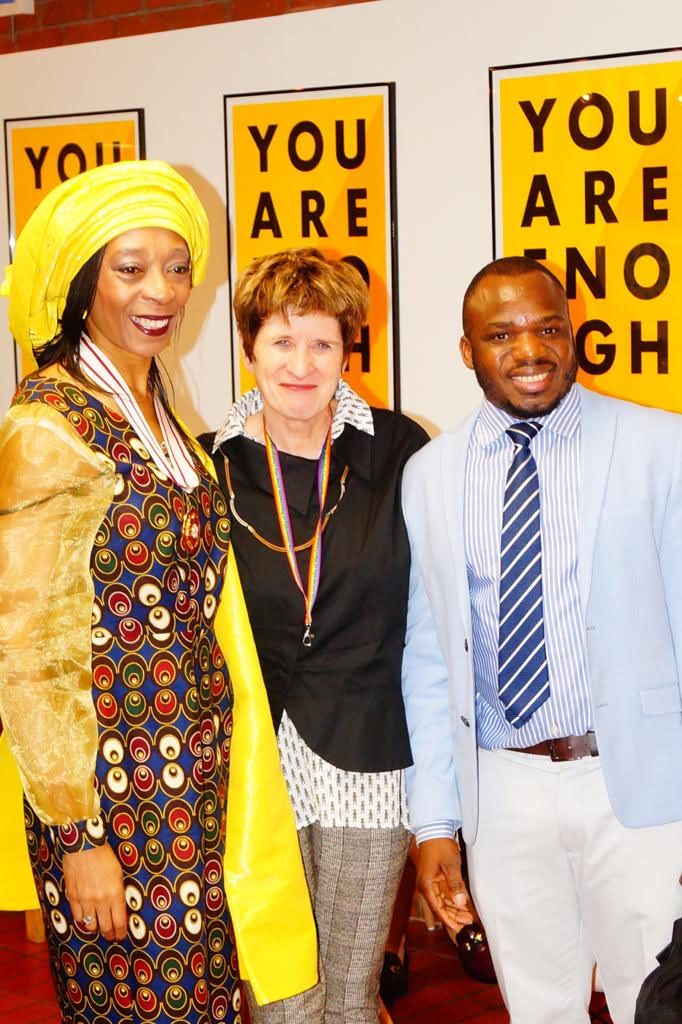
Lancine SACKO (right)
*Preliminary Declaration to the International Criminal Court*
*Thursday, December 12, 2024*
By Lancine SACKO
*Introduction*
The Republic of Guinea experienced, on September 5, 2021, the bloodiest coup d’état in the sub-region which led to the overthrow of the legitimate government of President ALPHA CONDÉ.
These putschists, united in a body called the National Council for Recovery and Development (CNRD), appointed a former French Foreign Legion soldier named Mamadi DOUMBOUYA as head of the country. This marked the*Preliminary Declaration to the International Criminal Court*
*Thursday, December 12, 2024*
By Lancine SACKO
*Introduction*
The Republic of Guinea experienced, on September 5, 2021, the bloodiest coup d’état in the sub-region which led to the overthrow of the legitimate government of President ALPHA CONDÉ.
These putschists, united in a body called the National Council for Recovery and Development (CNRD), appointed a former French Foreign Legion soldier named Mamadi DOUMBOUYA as head of the country. This marked the beginning of a transition in our country against the will of the overwhelming majority of the population.
According to the transition charter and agreements concluded with regional institutions, the duration of the transition was set at 36 months, from January 1, 2022 to December 31, 2024. According to these agreements, no member of the CNRD, government, or National Transitional Council (CNT) would be a candidate in future elections organized for the return to constitutional order.
Today, we regretfully observe that the transitional authorities no longer wish to respect these commitments, which explains the multiplication of support movements funded with billions from Guinean taxpayers’ money.
Thus, the football tournament with the General Mamadi DOUMBOUYA trophy, whose final turned tragic at the N’zérékoré Stadium, falls under the category of power confiscation by the military.
Contrary to the 56 deaths announced by the government, non-governmental organizations, civil society representatives, and other structures claim to have counted more than a hundred deaths and injuries.
In any case, the figure put forward by the government is far from reality, and we request the intervention of your court to:
• Determine the exact number of deaths at N’zérékoré Stadium;
• Determine the circumstances that led to the death of these young people in their prime;
• Note that most of the young people who died were under 20 years old;
• Establish the responsibilities of all parties in this massacre at N’zérékoré Stadium.
Who authorized the organization of the tournament in question?
Who ordered the abusive use of tear gas in an enclosure with only one exit?
Why were vehicles driven over children while trying to evacuate government officials?
Why were the bodies crushed by official vehicles made to disappear?
Why is the government concealing the death toll from the national and international community?
The answers to all these questions would allow the Guinean population to understand the true motivation that led to the N’zérékoré tragedy, which resulted in the death of more than 500 young Guineans.
This is why, Honorable Judges of the International Criminal Court (ICC), Ladies and Gentlemen, we appear today before this high court to expose a chilling account of systematic state violence that constitutes one of the most serious violations of Human Rights in the recent history of the Republic of Guinea. The events of December 1, 2024, at N’zérékoré Stadium, are not simply a tragic incident but a calculated manifestation of State terrorism that demands justice at the international level.
What occurred that day was not a spontaneous outbreak of violence but a premeditated massacre orchestrated by President Mamadi Doumbouya’s regime and his military junta, resulting in the deliberate and systematic murder of peaceful citizens.
The Charges
1. Crimes Against Humanity
President Doumbouya and the National Committee for Recovery and Development (CNRD) are accused of several counts of crimes against humanity, specifically:
a) Intentional Murder
Evidence demonstrates a deliberate strategy of violence against civilian populations:
• Use of tear gas in a confined stadium after the evacuation of officials, causing lethal asphyxiation;
• Deployment of police forces using live ammunition against civilians;
• Vehicular attacks deliberately targeting fleeing citizens;
• Potential sexual violence against female victims.
b) Forced Disappearances
The missing bodies are those crushed by officials’ vehicles present at the stadium. According to concordant sources, they were transported to the N’zérékoré camp, where they were buried, indicating a systematic attempt to conceal the full extent of the massacre.
2. War Crimes and Violation of International Humanitarian Law
The actions of Guinean security forces constitute clear violations of the Geneva Conventions and international human rights standards:
• Disproportionate use of public force against civilian population;
• Targeting of minors and youth;
• Obstruction of the stadium’s only exit/door, creating a deadly trap for occupants;
• Concealment and suppression of post-incident information.
Presentation of Evidence
Forensic and Testimonial Evidence
• Eyewitness accounts confirming multiple causes of death: asphyxiation, gunshot wounds, vehicular homicide;
• Photographic and videographic evidence of bodies showing traumatic injuries;
• Testimonies from journalists, medical personnel, and survivors.
Contextual Pattern of Violence
This is not an isolated incident. The Doumbouya regime has a documented history of violent repression:
• Approximately 50 protesters killed between 2022-2024;
• The September 5, 2021 coup that brought Doumbouya to power;
• The previous stadium massacre in 2009 under a different regime.
Comparative Analysis
While the 2009 incident caused approximately 150 deaths, the current regime has potentially doubled this number, demonstrating an increasing pattern of state violence.
Legal Precedent and International Responsibility
We maintain that these actions constitute:
• Systematic and widespread attacks against civilian populations;
• Deliberate murder with clear intent;
• Violation of fundamental human rights;
• Possible genocide through targeted elimination of specific groups.
Requested Reparations
1. International criminal prosecution of President Mamadi Doumbouya;
2. Individual criminal responsibility of military and police commanders;
3. Thorough investigation of the entire massacre;
4. Reparations for victims’ families;
5. International sanctions and intervention to prevent future atrocities.
The world is watching. The International Criminal Court must send an unequivocal message: such State terrorism will not be tolerated.
We demand justice. We demand accountability. We demand that the perpetrators of these heinous crimes be held accountable for their actions.
The prosecution rests its case, confident that the evidence will reveal the true nature of this regime’s brutality.
*Thursday, December 12, 2024*
By Lancine SACKO beginning of a transition in our country against the will of the overwhelming majority of the population.
According to the transition charter and agreements concluded with regional institutions, the duration of the transition was set at 36 months, from January 1, 2022 to December 31, 2024. According to these agreements, no member of the CNRD, government, or National Transitional Council (CNT) would be a candidate in future elections organized for the return to constitutional order.
Today, we regretfully observe that the transitional authorities no longer wish to respect these commitments, which explains the multiplication of support movements funded with billions from Guinean taxpayers’ money.
Thus, the football tournament with the General Mamadi DOUMBOUYA trophy, whose final turned tragic at the N’zérékoré Stadium, falls under the category of power confiscation by the military.
Contrary to the 56 deaths announced by the government, non-governmental organizations, civil society representatives, and other structures claim to have counted more than a hundred deaths and injuries.
In any case, the figure put forward by the government is far from reality, and we request the intervention of your court to:
• Determine the exact number of deaths at N’zérékoré Stadium;
• Determine the circumstances that led to the death of these young people in their prime;
• Note that most of the young people who died were under 20 years old;
• Establish the responsibilities of all parties in this massacre at N’zérékoré Stadium.
Who authorized the organization of the tournament in question?
Who ordered the abusive use of tear gas in an enclosure with only one exit?
Why were vehicles driven over children while trying to evacuate government officials?
Why were the bodies crushed by official vehicles made to disappear?
Why is the government concealing the death toll from the national and international community?
The answers to all these questions would allow the Guinean population to understand the true motivation that led to the N’zérékoré tragedy, which resulted in the death of more than 500 young Guineans.
This is why, Honorable Judges of the International Criminal Court (ICC), Ladies and Gentlemen, we appear today before this high court to expose a chilling account of systematic state violence that constitutes one of the most serious violations of Human Rights in the recent history of the Republic of Guinea. The events of December 1, 2024, at N’zérékoré Stadium, are not simply a tragic incident but a calculated manifestation of State terrorism that demands justice at the international level.
What occurred that day was not a spontaneous outbreak of violence but a premeditated massacre orchestrated by President Mamadi Doumbouya’s regime and his military junta, resulting in the deliberate and systematic murder of peaceful citizens.
The Charges
1. Crimes Against Humanity
President Doumbouya and the National Committee for Recovery and Development (CNRD) are accused of several counts of crimes against humanity, specifically:
a) Intentional Murder
Evidence demonstrates a deliberate strategy of violence against civilian populations:
• Use of tear gas in a confined stadium after the evacuation of officials, causing lethal asphyxiation;
• Deployment of police forces using live ammunition against civilians;
• Vehicular attacks deliberately targeting fleeing citizens;
• Potential sexual violence against female victims.
b) Forced Disappearances
The missing bodies are those crushed by officials’ vehicles present at the stadium. According to concordant sources, they were transported to the N’zérékoré camp, where they were buried, indicating a systematic attempt to conceal the full extent of the massacre.
2. War Crimes and Violation of International Humanitarian Law
The actions of Guinean security forces constitute clear violations of the Geneva Conventions and international human rights standards:
• Disproportionate use of public force against civilian population;
• Targeting of minors and youth;
• Obstruction of the stadium’s only exit/door, creating a deadly trap for occupants;
• Concealment and suppression of post-incident information.
Presentation of Evidence
Forensic and Testimonial Evidence
• Eyewitness accounts confirming multiple causes of death: asphyxiation, gunshot wounds, vehicular homicide;
• Photographic and videographic evidence of bodies showing traumatic injuries;
• Testimonies from journalists, medical personnel, and survivors.
Contextual Pattern of Violence
This is not an isolated incident. The Doumbouya regime has a documented history of violent repression:
• Approximately 50 protesters killed between 2022-2024;
• The September 5, 2021 coup that brought Doumbouya to power;
• The previous stadium massacre in 2009 under a different regime.
Comparative Analysis
While the 2009 incident caused approximately 150 deaths, the current regime has potentially doubled this number, demonstrating an increasing pattern of state violence.
Legal Precedent and International Responsibility
We maintain that these actions constitute:
• Systematic and widespread attacks against civilian populations;
• Deliberate murder with clear intent;
• Violation of fundamental human rights;
• Possible genocide through targeted elimination of specific groups.
Requested Reparations
1. International criminal prosecution of President Mamadi Doumbouya;
2. Individual criminal responsibility of military and police commanders;
3. Thorough investigation of the entire massacre;
4. Reparations for victims’ families;
5. International sanctions and intervention to prevent future atrocities.
The world is watching. The International Criminal Court must send an unequivocal message: such State terrorism will not be tolerated.
We demand justice. We demand accountability. We demand that the perpetrators of these heinous crimes be held accountable for their actions.
The prosecution rests its case, confident that the evidence will reveal the true nature of this regime’s brutality.
*Thursday, December 12, 2024*
By Lancine SACKO