EDGAR LUNGU: THE PRESIDENT WHO HAS NOT BEEN BURIED – A Year of a Body in Limbo and a Nation Divided
By Francis Chipalo
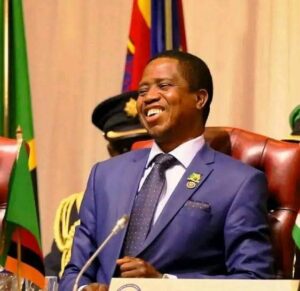
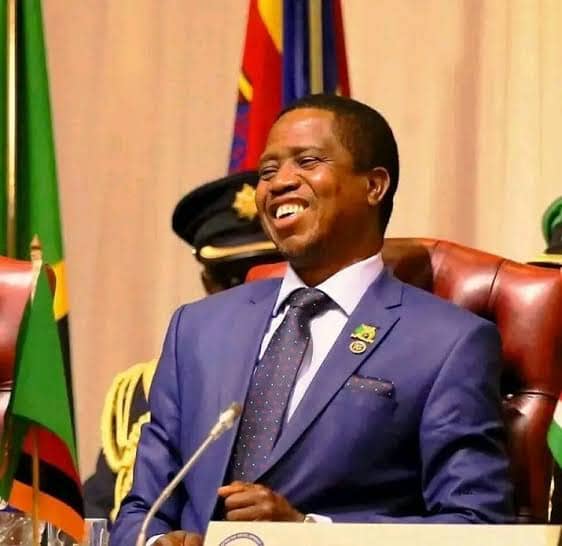
Yesterday, November 11, should have been the 70th birthday of Edgar Chagwa Lungu, Zambia’s Sixth President. Instead of a birthday tribute or a graveside memorial at Embassy Park in Lusaka, Lungu’s remains are still the subject of a legal and political standoff that has lasted over 17 months – leaving Zambia with a former Head of State who has not been buried.
Lungu died on 5th June, 2025 at Mediclinic Medforum Hospital in Pretoria, South Africa, where he was receiving treatment for what his family described as recurring achalasia and what court papers later described as terminal oesophageal cancer. He was 68.
What happened after his death has become unprecedented in Zambian history.
Initially, the Zambian Government and the Lungu family negotiated a state funeral. On 15th June 2025, they reached an agreement: the body would be repatriated on 18th June and buried on 23rd June at Embassy Park, the official burial site for former Presidents.
That deal collapsed on the day of repatriation. The family halted the process, accusing the Government of breaching the agreement. The central issue, according to family affidavits, was Lungu’s reported final wish – that his long-time political rival and successor, President Hakainde Hichilema, should not have anything to do with his body or his funeral.
President Hichilema, who had declared a seven-day national mourning period later extended to 16 days, abruptly ended the mourning period after four days.
The family announced a private burial in Johannesburg. The Government went to court. On 25th June 2025, hours before the planned private funeral, the High Court in Pretoria blocked the burial.
In August 2025, the Gauteng High Court ruled in favour of the Zambian Government, ordering the body to be handed over for repatriation and a State funeral, arguing a former President’s personal wishes could not outweigh the right of the State to honour him. A grave at Embassy Park had already been prepared.
The family appealed. The body remained in a mortuary in South Africa.
The battle dragged into 2026. In April 2026, the Government briefly took custody of the body, a move that led to accusations from the family that a post-mortem was conducted without a court order or family presence. The family secured an urgent order for its return.
On 23rd June 2026, South Africa’s Supreme Court of Appeal (SCA) finally overturned the High Court ruling. The SCA ruled that without consent from the family, the family’s constitutional rights to dignity, privacy and autonomy prevail, and that the Zambian Government had failed to establish a legal right under South African law to override the family’s wishes. The court accepted the family’s version that no final agreement had been reached and that Lungu did not want President Hichilema involved.
The Zambian Government, through the Ministry of Justice, said it disagreed but would not appeal to the Constitutional Court, calling it now a “private family matter.”
As of today, more than 16 months after his death, no burial has been publicly confirmed, with new demands for forensic verification still being raised.
What this failure has done to Zambia
- Deepened Political Polarization: Lungu vs. Hichilema defined Zambian politics for almost a decade. Lungu defeated Hichilema in 2015 and 2016 amid claims of a harsh crackdown on the opposition. Hichilema defeated Lungu in 2021. The burial dispute resurrected that rivalry. For PF supporters, the Government’s court action was seen as political persecution continuing after death, especially as Lungu’s wife Esther and children face corruption charges they call a vendetta. For UPND supporters, the family’s refusal was seen as denying the nation the right to mourn its former President.
- Created a Legal Crisis and a New Law: The dispute exposed that Zambia had no clear law on who decides where a former President is buried. In response, Government enacted the Benefits of Former Presidents and Former Vice-Presidents Act, 2026, which now states a former President “shall be buried at a burial site designated by the Government within the Republic”. It was signed on 4th June 2026, just 19 days before the SCA ruled against Zambia under the old law.
- Damaged National Healing and Tradition: Zambia has prided itself on peaceful transitions and respectful funerals for former Presidents – Kenneth Kaunda and Frederick Chiluba were both given state funerals despite political differences. The sight of a former President unburied for over a year has become a source of national shame and trauma, dominating news cycles and diverting attention from economic issues ahead of the August 2026 general elections.
- International Embarrassment: The spectacle of two governments fighting over a body in a foreign court, with a private funeral stopped by a court order at the last minute, was reported globally as a low point for Zambian diplomacy.
Lungu’s empty grave at Embassy Park remains – a powerful symbol of a reconciliation that never happened. Whether he is eventually buried privately in South Africa as his family wants, or repatriated under the new law, the failure to bury him has left a wound that his 70th birthday has only made more visible.
We ought to be ashamed of ourselves being a “Christian Nation” we claim to be, otherwise we need to seriously reflect as a nation kwamana.
My opinion!
Concerned citizen