*OPINION: Unity is Key for Zambia’s Opposition* 🔊 By Antonio Mourinho Mwanza, President, Democratic Progressive Party (DPP)
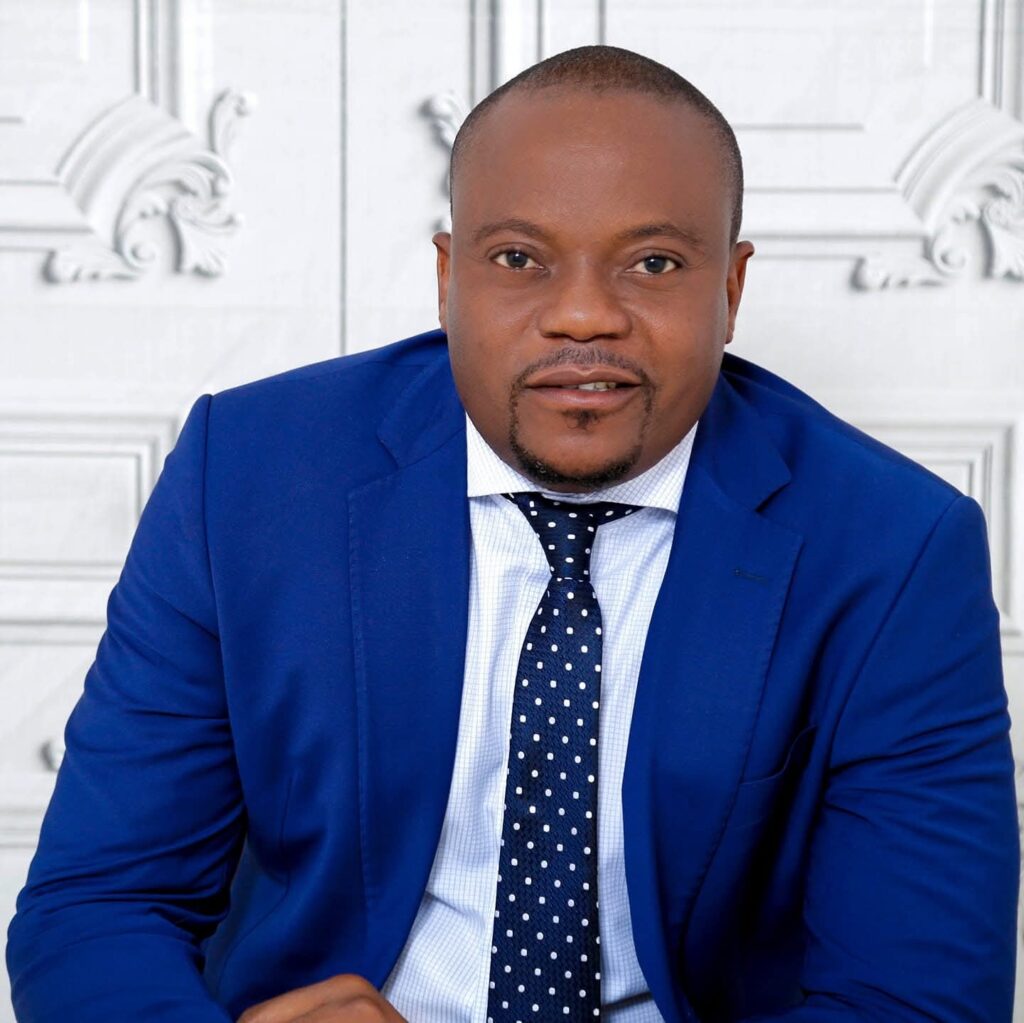
🔊 By Antonio Mourinho Mwanza, President, Democratic Party for Progress (DPP)
*OPINION: Unity is Key for Zambia’s Opposition*
🔊 By Antonio Mourinho Mwanza, President, Democratic Progressive Party (DPP)
“Zambia’s opposition must put aside personal ambitions and unite behind a single candidate to take on the UPND in 2026. History shows alliances formed without shared values and a clear vision are doomed to fail. It’s time for a people-centred economic agenda, not just a change of faces. 🇿🇲💪
#ZambiaElections2026 #OppositionUnity #EconomicTransformation”
Sunday, 28th December 2025 Media Statement
With less than eight months remaining before the 2026 General Elections, Zambia finds itself at a decisive moment, particularly in relation to the state of the opposition. An increasing number of citizens are calling on opposition political parties and leaders to rise above personal differences and individual ambitions and unite behind a single presidential candidate to challenge President Hakainde Hichilema and the UPND. This appeal is rooted in a clear-eyed assessment of the political reality: no single opposition party or candidate currently commands the numerical strength, national reach, or organizational capacity required to dislodge the UPND on their own. Persistent fragmentation has weakened the opposition’s electoral competitiveness and steadily eroded public confidence in its ability to present a credible alternative government.
Yet Zambia’s political history offers a sobering lesson. Since independence in 1964, alliances have frequently been formed as short-term electoral arrangements rather than as vehicles for lasting national transformation. From UNIP-led configurations in the First Republic, to the broad MMD coalition that ended one-party rule in 1991, the UDA of the early 2000s, and the PF–UPND Pact of 2006, most alliances have shared a fundamental weakness: they were marriages of convenience, not partnerships grounded in shared values, ideology, or a common long-term vision.
The failure of these alliances has been largely self-inflicted. They were undermined by dishonesty, lack of principle, and the absence of strategic clarity. Short-term political calculations replaced national interest, while greed, personal ambition, and the scramble for positions took precedence over policy coherence. Supporters were often misled, internal agreements hidden, and leadership structures left weak and undefined. With no clear ideology, no unified vision for governance, and no effective mechanisms for managing internal conflict, these alliances predictably collapsed once power—or proximity to power—was attained.
Zambia cannot afford to repeat this costly cycle. Any future alliance must be firmly anchored in a clear, credible, and people-centred economic agenda. An alliance formed solely to remove the UPND, only to replace it with another group of politicians focused on sharing offices, allowances, contracts, and corrupt business opportunities, does not advance the interests of the Zambian people. Such arrangements merely recycle political elites while the hardship faced by ordinary citizens deepens.
A meaningful alliance must therefore speak directly to the lived realities of Zambians. It must clearly articulate how it will tackle poverty, reduce youth and women unemployment, and address the high cost of living. It must present practical and measurable plans for creating millions of decent jobs, restoring national control over the economy, and ensuring that Zambia’s natural resources—such as copper, gold, mukula, and sugilite—are managed for the primary benefit of Zambians. It must also outline concrete steps to reduce the tax burden, empower small and medium enterprises, and build an economy that rewards productivity, innovation, and hard work rather than political connections.

🔊 By Antonio Mourinho Mwanza, President, Democratic Progressive Party (DPP)
Simply replacing one political party with another that has nothing new to offer is a waste of national time and energy. While politicians often live comfortably, the majority of Zambians are struggling to survive. Any alliance that fails to present a tangible, measurable, and people-focused economic programme to confront the current crisis should be firmly rejected. Zambia does not need slogans or survival politics; it needs serious solutions, principled leadership, and a clear vision for inclusive economic transformation.
Antonio Mourinho Mwanza
President
Democratic Progressive Party (DPP)
28 – 12 – 25