Climate Change fuels biodiversity loss in Zambia as experts call for urgent action
By Francis LUNGU
Zambia’s rich biodiversity is under increasing threat from climate change, with experts warning that rising temperatures, erratic rainfall patterns, deforestation, and unsustainable land use practices are accelerating the loss of plant and animal species across the country.
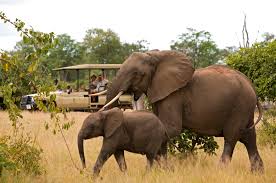
Home to vast forests, wetlands, rivers, and wildlife ecosystems, Zambia is considered one of Southern Africa’s biodiversity hotspots.
The country hosts globally significant ecosystems including the Kafue National Park, South Luangwa National Park, and the Bangweulu Wetlands, which support thousands of species of mammals, birds, fish, reptiles, and plants.
However, climate change is increasingly disrupting these ecosystems, threatening both wildlife and the livelihoods of millions of Zambians who depend on natural resources.
Key causes of Biodiversity loss
Environmental experts identify climate change as one of the major drivers of biodiversity decline in Zambia.
Rising temperatures have altered seasonal weather patterns, leading to prolonged droughts, unpredictable rainfall, floods, and increased frequency of extreme weather events.
These changes affect water availability, vegetation growth, breeding cycles, and migration patterns of wildlife.
Species that are unable to adapt quickly to changing environmental conditions face the risk of population decline or extinction.
Deforestation remains another major contributor. Zambia loses thousands of hectares of forest annually due to charcoal production, agricultural expansion, illegal logging, and human settlements.
Forest destruction not only eliminates habitats for wildlife but also reduces the country’s ability to absorb carbon dioxide, further worsening climate change.
The expansion of commercial agriculture and mining activities has also fragmented natural habitats.
As forests and wetlands are cleared, animals are forced into smaller areas, increasing competition for food and water while heightening human-wildlife conflict.
Wetland degradation is another growing concern. Important ecosystems such as the Bangweulu and Kafue floodplains are increasingly vulnerable to changing rainfall patterns and unsustainable exploitation of natural resources.
These wetlands provide breeding grounds for fish, birds, and other species while helping regulate water flow and storing carbon.
Pollution, invasive species, and overexploitation of wildlife and fisheries further compound the problem, placing additional pressure on already fragile ecosystems.
Impact on communities and the economy
Biodiversity loss is not only an environmental issue but also an economic and social challenge.
Zambia’s tourism sector, which depends heavily on wildlife and natural landscapes, contributes significantly to employment and foreign exchange earnings.
Declining biodiversity threatens tourism revenues and undermines conservation efforts.
Reduced forest cover also affects rainfall patterns and water catchments, impacting agriculture and hydropower generation.
Rural communities that rely on forests for food, medicine, fuel, and income are particularly vulnerable.
The loss of pollinators, soil fertility, and ecosystem services can reduce agricultural productivity and increase food insecurity.
Experts warn that continued biodiversity loss could weaken Zambia’s resilience to climate shocks, making communities more susceptible to droughts, floods, and other climate-related disasters.
Solutions and the way forward
Environmental stakeholders say reversing biodiversity loss will require coordinated action from government, communities, the private sector, and development partners.
Key recommendations include strengthening forest protection and sustainable land management practices, promoting alternative energy sources to reduce dependence on charcoal, and expanding reforestation and afforestation programmes.
Conservation experts also advocate for improved management of protected areas and wildlife corridors to enable species to adapt to changing climatic conditions.
Restoring degraded wetlands and river systems can help improve ecosystem health and strengthen climate resilience.
Climate-smart agriculture is being promoted as a way to increase food production while reducing environmental degradation.
Practices such as conservation farming, agroforestry, and sustainable irrigation can help protect biodiversity while improving farmers’ livelihoods.
Public awareness and environmental education are also considered critical.
Experts argue that communities must be actively involved in conservation efforts and empowered to benefit from sustainable use of natural resources.
As climate change continues to intensify, environmentalists warn that protecting biodiversity is no longer optional but essential for Zambia’s sustainable development.
They say preserving ecosystems today will help secure food, water, livelihoods, and economic opportunities for future generations while strengthening the country’s ability to withstand the growing impacts of climate change.