El Niño threat looms over Southern Africa as scientists warn of potential climate shock By Francis LUNGU
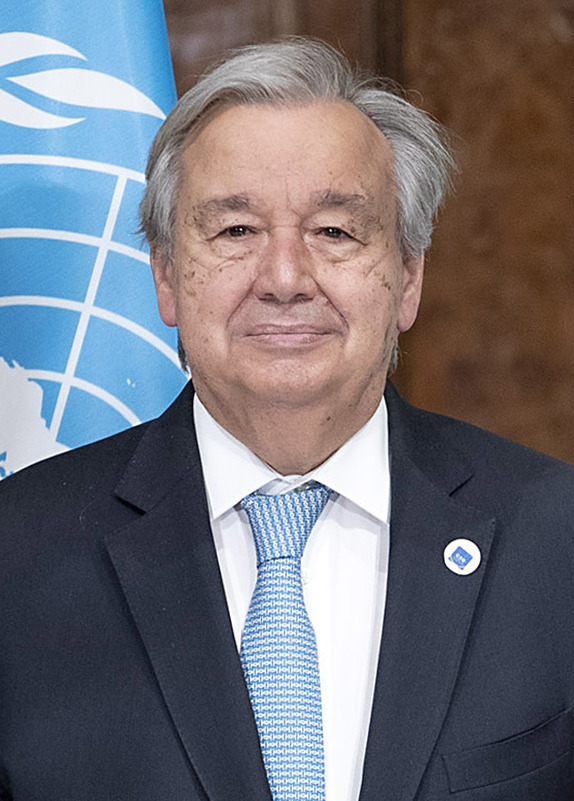
Roma - Il Presidente della Repubblica Sergio Mattarella con il Segretario generale delle Nazioni Unite, S.E. il Signor António Guterres, oggi 29 ottobre 2021. (Foto di Paolo Giandotti - Ufficio per la Stampa e la Comunicazione della Presidenza della Repubblica)
By Francis LUNGU
Southern African countries, including Zambia, are being urged to prepare for a potentially severe El Niño weather phenomenon that scientists warn could trigger droughts, food shortages and energy challenges across the region in the coming months.
The warning follows new forecasts by the World Meteorological Organization (WMO), which indicate an 80 percent likelihood that El Niño conditions will develop between June and August 2026, with a 90 percent chance of persisting until at least November.
Climate experts say unusually warm ocean temperatures in the tropical Pacific are creating conditions for what could become a significant weather event.
United Nations Secretary-General António Guterres has described the developing El Niño as an “urgent climate warning,” cautioning that it could intensify the impacts of global warming and lead to more extreme weather patterns worldwide.
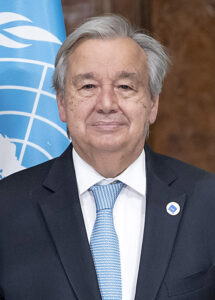
(Foto di Paolo Giandotti – Ufficio per la Stampa e la Comunicazione della Presidenza della Repubblica)
The WMO has also warned that the phenomenon could worsen droughts, heavy rainfall events and heatwaves in different parts of the world.
For Southern Africa, the outlook is particularly concerning.
Historically, El Niño events have been associated with below-average rainfall across much of the region, often resulting in drought conditions, reduced agricultural production and increased food insecurity.
Countries heavily dependent on rain-fed agriculture, including Zambia, Zimbabwe, Malawi, Mozambique and parts of South Africa, are considered especially vulnerable.
Agriculture remains the backbone of many Southern African economies, employing millions of people and contributing significantly to national food supplies.
A prolonged dry spell during the 2026/27 farming season could affect staple crops such as maize, sorghum and groundnuts, while also reducing pasture for livestock.
For Zambia, the potential consequences extend beyond agriculture.
The country relies heavily on hydropower for electricity generation, with major power stations drawing water from the Zambezi and Kafue river systems.
Any significant reduction in rainfall could place additional pressure on reservoir levels and electricity generation, raising concerns about power supply stability at a time when demand continues to grow.
Economists warn that a poor farming season could also contribute to rising food prices, increased inflation and pressure on government social support programmes.
Climate scientists note that while El Niño is a naturally occurring phenomenon, its impacts are increasingly being amplified by global warming.
Global temperatures have already risen by about 1.3 degrees Celsius above pre-industrial levels, meaning droughts, floods and heatwaves associated with El Niño could become more intense than in previous decades.
Recognising the threat, Southern African governments are already discussing contingency measures.
Recent regional meetings involving agriculture and climate experts have focused on strengthening food security systems, improving climate forecasting and promoting drought-resilient farming practices.
Policymakers are also encouraging farmers to diversify crops, adopt climate-smart agriculture and make greater use of irrigation where possible.
Analysts say SADC member states may need to strengthen regional cooperation on grain reserves, fertiliser supplies and disaster response mechanisms to cushion vulnerable communities from possible climate-related shocks.
The warning comes as Southern Africa continues to recover from previous climate extremes that have affected millions of people in recent years.
The region has experienced both severe droughts and destructive floods linked to changing weather patterns, underscoring the growing challenge of climate resilience.
While uncertainty remains about the ultimate strength of the developing El Niño, scientists agree that early preparation will be critical.
“The time for informed decision-making, planning and preparedness is now,” the WMO said in its latest climate update, stressing that governments, farmers, energy utilities and humanitarian agencies should begin preparing for potential impacts before the next rainy season begins.
For Zambia and the wider SADC region, the coming months could prove crucial in determining whether proactive planning can reduce the economic and humanitarian consequences of what may become one of the most significant climate events of the decade.