Mining Pollution: The hidden environmental and health crisis threatening Zambia’s future
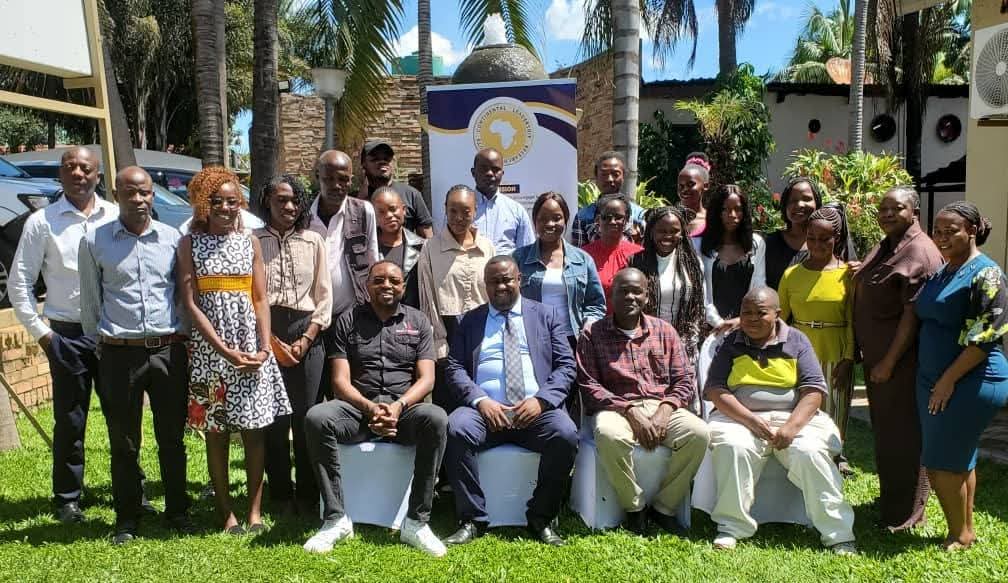
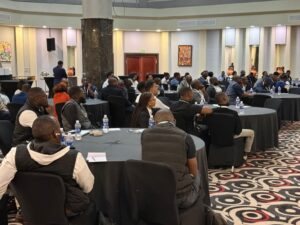
Continental Leadership Research Institute (CLRI) launches Investigative Journalism Project to combat water pollution culminating in formation of Zambia Environmental Journalists Network (ZEJN).
By Francis LUNGU
Mining remains the backbone of Zambia’s economy, contributing significantly to export earnings, government revenue, and employment.
According to government figures, mining accounts for over nine percent of the country’s GDP and around 70 percent of export earnings.
However, alongside its economic benefits, mining activities continue to pose serious threats to the environment and public health through water and air pollution.
Environmental experts like Rolf Shenton from Grassroot Trust, health professionals, and affected communities have increasingly raised concerns about the long-term consequences of pollution from mining operations, particularly in the Copperbelt and North-Western provinces, where large-scale mining is concentrated.
Water Pollution and Its Consequences
One of the most visible environmental impacts of mining is water pollution.
Mining operations generate waste materials containing heavy metals such as lead, arsenic, cadmium, mercury, and copper.
These pollutants often find their way into rivers, streams, dams, and underground water sources.
In Zambia, communities living near mining areas have experienced contamination of important water bodies, including sections of the Kafue River, which serves millions of people and supports agriculture, fisheries, and industrial activities.
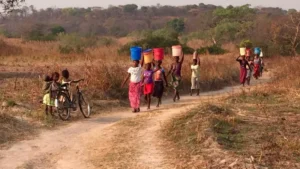
When toxic substances enter water systems, they can kill fish and aquatic organisms, destroy ecosystems, and make water unsafe for human consumption.
Polluted water used for irrigation can also contaminate crops, affecting food safety and agricultural productivity.
Environmental scientists warn that heavy metals can remain in water and soil for decades, accumulating in plants, animals, and eventually humans through the food chain.
Air Pollution from Mining Operations
Mining activities release large quantities of dust and harmful gases into the atmosphere.
Blasting, crushing, transportation of ore, smelting, and processing operations produce particulate matter and pollutants such as sulphur dioxide, nitrogen oxides, and other toxic emissions.
In mining towns, residents frequently complain of excessive dust settling on homes, crops, and water sources.
Sulphur dioxide emissions from smelting operations can contribute to acid rain, which damages vegetation, soils, and water bodies.
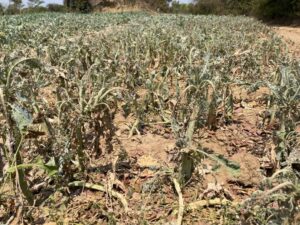
Poor air quality can also reduce agricultural yields by affecting plant growth and weakening ecosystems that support biodiversity.
Climate experts note that some mining activities also contribute to greenhouse gas emissions, which worsen climate change and increase the frequency of droughts, floods, and other extreme weather events.
Health Risks to Communities
The effects of mining pollution extend beyond the environment and directly affect human health.
Exposure to contaminated water and polluted air has been linked to respiratory diseases, skin disorders, cardiovascular problems, kidney damage, and various forms of cancer.
Children are particularly vulnerable. Heavy metals such as lead can impair brain development, reduce learning ability, and cause lifelong neurological problems.
Pregnant women exposed to toxic pollutants may face increased risks of complications and developmental issues in unborn children.
Medical experts say prolonged inhalation of dust particles can lead to chronic respiratory illnesses, including asthma, bronchitis, and reduced lung function.
Communities living near mine sites often face the highest levels of exposure because they depend on nearby rivers, streams, and groundwater for drinking, cooking, and farming.
Impact on Biodiversity and Ecosystems
Mining pollution does not only affect people; it also threatens Zambia’s rich biodiversity.
Contaminated rivers and wetlands can lead to fish deaths and the disappearance of aquatic species.
Forests cleared for mining reduce wildlife habitats and contribute to soil erosion.
The destruction of ecosystems affects pollination, water regulation, and other natural services that support agriculture and livelihoods.

As habitats shrink, many plant and animal species face increasing pressure and population decline.
Conservationists warn that biodiversity loss weakens ecosystem resilience and makes communities more vulnerable to climate change.
The Need for Stronger Environmental Management
Experts argue that sustainable mining is possible if strict environmental safeguards are enforced.

Key measures include regular environmental monitoring, proper management of mine waste and tailings, investment in cleaner technologies, rehabilitation of degraded land, and transparent reporting of pollution incidents.
Government agencies, mining companies, civil society organisations, and local communities all have critical roles to play in ensuring environmental protection.
Environmental advocates are also calling for stronger enforcement of pollution regulations, tougher penalties for violations, and greater public access to environmental information.
Balancing Development and Sustainability
Mining will continue to play a vital role in Zambia’s economic development, particularly as global demand for copper and critical minerals grows during the transition to clean energy technologies.
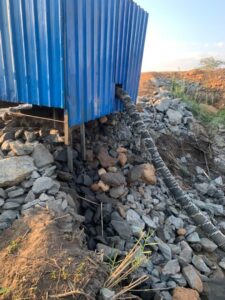
However, experts caution that economic growth should not come at the expense of public health and environmental sustainability.
Protecting water resources, improving air quality, and preserving biodiversity are essential for safeguarding the wellbeing of current and future generations.
Achieving this balance will require responsible mining practices, effective regulation, and a collective commitment to sustainable development.
As Zambia positions itself as a leading supplier of minerals to the world, the challenge remains ensuring that the wealth generated from mining does not leave behind a legacy of environmental degradation and health crises for its people.