SILENT SIGNALS: Looking Beyond Physical Harm in the Bullying and Mental Health Crisis
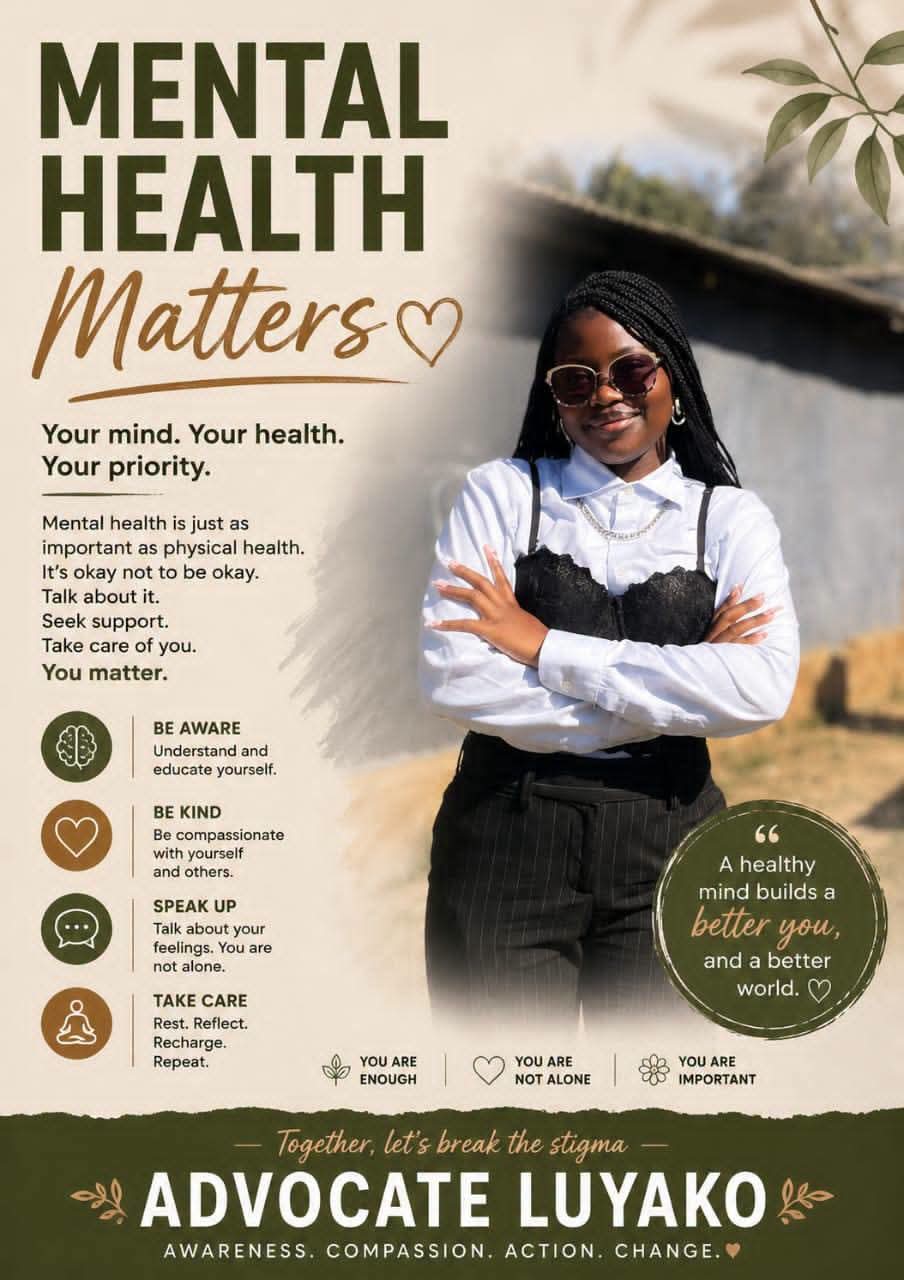
Advocate Luyako Patience
By Luyako Patience
Not all wounds leave visible marks. While physical aggression often triggers immediate intervention, relational bullying, organized cold-shouldering, malicious rumors, and constant digital harassment operates quietly beneath the surface. Because it lacks obvious physical evidence, this form of hostility is frequently dismissed as harmless social drama or routine peer friction. Yet, its psychological impact is profound, systematically chipping away at self-worth and creating deep-seated emotional distress long before adults or leaders step in.
Relational bullying targets an individual’s fundamental need for belonging and social safety. When a young person is intentionally excluded from group chats, targeted by whispering campaigns in community spaces, or subjected to passive-aggressive public call-outs online, the brain registers this social rejection in much the same way it processes physical pain. Over time, living under constant social surveillance leads to hyper-vigilance, severe anxiety, and social withdrawal. Victims often internalize the hostility, convincing themselves that they are the problem and choosing to suffer in silence rather than risk further exposure.
By the time the mental health consequences manifest visibly through sudden drops in participation, chronic fatigue, emotional outbursts, or complete isolation, the damage is already deep.
Bullying doesn’t have to leave physical marks to cause trauma. This is why our approach to youth mental health must shift from reactive crisis control to proactive community care.
Building safer spaces requires empowering peers to recognize these silent signals. Peer support networks, youth-led workshops, and community mentors must be equipped to spot the subtle dynamics of exclusion. Simple interventions like establishing clear community ground rules for digital groups, normalizing routine peer check-ins, and creating structured spaces where every voice is deliberately included can disrupt relational toxicity before it turns into mental health trauma.
Validating emotional harm as readily as physical harm is the first step toward ensuring no young person has to carry invisible burdens alone.
YOUR FEEDBACK WILL BE HIGHLY APPRECIATED; Contact: +260975885144
email: luyakopatience@gmail.com
THANK YOU.
ABOUT THE AUTHOR: Luyako Patience is a medical student at Lusaka Apex Medical University pursuing a Bachelor of Pharmacy. A Mental Health Advocate, She is a dedicated Youth and SDG Advocate specifically focused on SDG 3 (Good Health and Well-being) and SDG 17 (Partnerships for the Goals), working to dismantle the cultural stigma surrounding mental health in Zambia.