‘Let Living Water Flow’: Catholic Bishops call for urgent action to protect Zambia’s environment
“The Season of Creation will run from September 1 to October 4, 2026, bringing together Christians around the world for prayer, reflection and practical action on the care of creation”
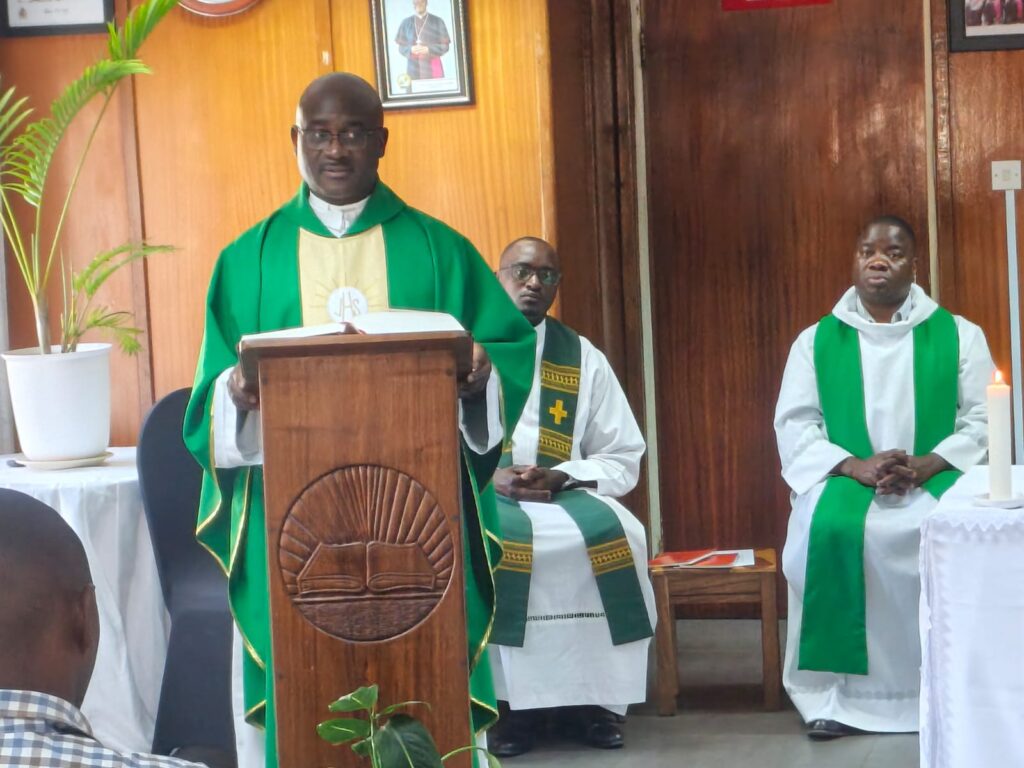
Zambia Conference of Catholic Bishops (ZCCB) Secretary General, Very Rev. Fr. Francis Mukosa (left), at Kapingila House on Kabulonga road in Lusaka, Zambia.
September 1, 2026 – Lusaka
By Francis LUNGU
The Zambia Conference of Catholic Bishops (ZCCB) has called for renewed commitment to environmental protection, climate action and social justice as Christians worldwide prepare to observe the 2026 Season of Creation under the theme “Living Water.”
ZCCB Secretary General, Very Rev. Fr. Francis Mukosa, said the Season of Creation, which runs starting today, September 1 to October 4, provides an important opportunity for Christians to move beyond prayer and reflection towards concrete action to protect the environment and safeguard the future of generations to come.
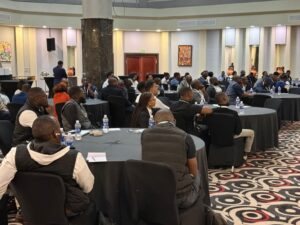
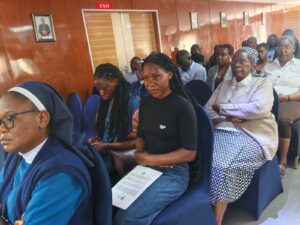
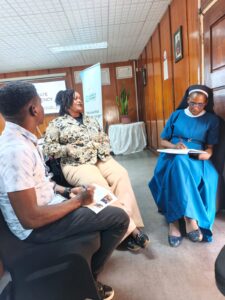
Fr. Mukosa was speaking on Monday August 31, 2026 during the official opening of a three-day Laudato Si workshop on Transition to Renewable Energy and Advocacy within Church structures in Lusaka at Kapingila House that gathered about 50 participants from the Catholic church across the country.
Some other participants came from the University of Zambia and a few separate organisations.
Laudato Si Movement representative, Steeven Kezamutima from Nairobi, Kenya was among the main workshop facilitators.
Fr. Mukosa continued by indicating that the worldwide Christian family would use the period to pray, reflect and take action for the care of the common home, stressing that humanity was not separate from nature but an integral part of creation.
“We are not isolated from creation; we are part of it. We are creatures among creatures, and our well-being is intimately connected with the well-being of the earth, the waters, the forests, the animals and every living thing,” Fr. Mukosa said.
The 2026 theme, “Living Water,” draws inspiration from the biblical vision of the prophet Ezekiel, who describes a river flowing from the sanctuary and bringing life wherever it goes.
Fr. Mukosa said the biblical image represented restoration, abundance, healing and renewed life, adding that it offered a powerful reflection for a world facing growing environmental challenges.
“Water is life. Without water, there can be no agriculture, no forests, no animals and no human communities,” he said.
However, he warned that water resources were increasingly under threat from pollution, irresponsible extraction, deforestation, climate change and unsustainable patterns of development.
He challenged individuals, communities and institutions to examine whether their actions were allowing “the waters of life to flow” or whether greed, negligence and irresponsible practices were obstructing that flow.
The Catholic Church’s call comes against the backdrop of increasing concerns over environmental degradation and climate change, which continue to threaten livelihoods and natural resources.
Fr. Mukosa said the Christian understanding of environmental stewardship was rooted in the belief that creation was a gift from God and therefore should not be treated merely as raw material for unlimited exploitation.
Citing the biblical teaching that “the earth is the Lord’s and all that is in it,” he said humanity had been entrusted with the responsibility to cultivate and protect creation.
“We are therefore called to cultivate creation, but also to protect it; to use its resources, but also to preserve them; to benefit from creation, but also to ensure that creation remains capable of sustaining generations yet unborn,” he said.
He further linked the Church’s environmental teaching to Pope Francis’ encyclical Laudato Si’, which presents the earth as humanity’s common home and calls for an integral ecology in which environmental protection cannot be separated from concern for people and society.
He also highlighted Pope Francis’ 2023 Apostolic Exhortation Laudate Deum, which he said confronts the climate crisis with greater urgency.
According to Fr. Mukosa, climate change should not be viewed merely as an environmental problem because it is also a social and human dignity issue.
He said ecological destruction disproportionately affects poor and vulnerable communities, who often contribute least to the causes of the climate crisis.
“Drought destroys crops. Floods destroy homes. Rising temperatures threaten livelihoods. Water scarcity increases poverty. Environmental degradation can force people to migrate,” he said.
Fr. Mukosa specifically noted that poorer communities, including many communities in Zambia, face severe consequences despite having contributed relatively little to historical global emissions.
“This places before us a question of justice. We must ask not only what is happening to the climate, but also who is suffering, who is responsible and who is being left behind,” he said.
The ZCCB Secretary General drew a connection between environmental protection and social justice through the biblical writings of the prophet Amos, who called for justice to “roll down like waters.”
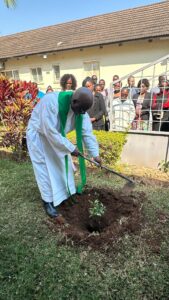
To demonstrate value addition to the environment, Fr. Mukosa even conducted a tree-planning exercise at Kapingila House.
He said the images of flowing water in the books of Ezekiel and Amos were interconnected, with one symbolising healing for creation and the other justice within society.
“Living water and living justice must flow together,” Fr. Mukosa said.
He called on Christians to undergo what he described as an “ecological conversion”, saying environmental responsibility should influence how people consume, farm, invest, develop communities and relate to nature.
He urged churches and communities to translate the Season of Creation into practical initiatives, including planting and protecting trees, restoring degraded land, protecting streams, rivers and wetlands, using water responsibly and reducing unnecessary waste.
He also encouraged environmentally friendly agriculture, support for vulnerable families, environmental education for children and young people, responsible investment and advocacy for policies that protect creation and defend vulnerable communities.
Fr. Mukosa said the responsibility to protect the environment should ultimately be guided by concern for future generations.
“We are not the final generation,” he said, challenging communities to consider what kind of land, water, forests, climate and communities they would leave for those who come after them.
The 2026 Season of Creation, he said, should therefore be a period in which Christians see themselves as part of the “great river of life” described by Ezekiel—a river whose purpose is to bring life wherever it flows.
He said this should also define the Christian presence in society: “a presence that brings life wherever it goes.”
The Season of Creation will run from September 1 to October 4, 2026, bringing together Christians around the world for prayer, reflection and practical action on the care of creation.