Groundbreaking Research Proves Bicycles Power Economic Growth and Healthcare Access
World Bicycle Relief
Landmark Study by World Bicycle Relief and IDinsight Provides Critical Evidence on the Power of Bicycles to Boost Livelihoods and Empower Rural Communities
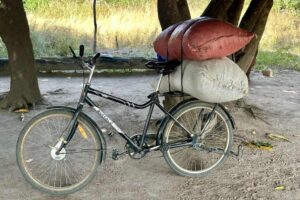
October 22, 2024 – LUSAKA, ZAMBIA – World Bicycle Relief (WBR), a non-profit social enterprise that supports rural and remote communities by helping adults and children overcome transportation barriers, in collaboration with IDinsight, today announced the results of a pioneering randomized controlled trial (RCT) that demonstrates the transformative impact of bicycles on livelihoods and health service delivery among adults in rural Zambia. With a particular focus on outcomes for women, the study provides robust evidence that bicycles can significantly improve access to essential services, boost economic productivity, and build resilience in some of the world’s most underserved communities.
In many rural, remote communities, mobility poverty—the lack of safe, affordable, and reliable transportation—acts as a significant barrier, keeping individuals from accessing essential services and opportunities. In Africa, 70% of rural populations face this challenge, often forced to walk long distances to reach schools, health facilities, or markets1.
In commissioning this research study, World Bicycle Relief sought to demonstrate how bicycles could address these challenges through a rigorous, evidence-based approach. This research was initiated to provide critical data on how improved mobility with bicycles can transform livelihoods by increasing economic productivity, enhancing access to healthcare, and building resilience in the face of environmental shocks.
“This research highlights the transformative impact that bicycles can play in overcoming mobility poverty, inequality, and systemic challenges faced by rural communities,” said Dave Neiswander, CEO of World Bicycle Relief. “The study findings clearly demonstrate how providing reliable transportation with bicycles unlocks access to healthcare, education, and economic opportunities—fundamental elements that allow individuals and communities to thrive.”
Study Design and Approach
The RCT was conducted in the Mumbwa District of rural Zambia and included 1,227 livelihoods group members and 261 community service workers, with nearly 70% of participants being women. Participants were divided into two groups: 50% of participants were provided with bicycles, while the control group continued without bicycles during the study period. Program participants in the control group will be provided with bicycles after the completion of the study. This method allowed researchers to rigorously assess the causal impact of bicycles on economic, health, and social outcomes in the participating communities.
Key Findings from the Study:
The RCT, conducted over the course of a year during one of Zambia’s most severe droughts, provides the first rigorous analysis of how bicycles impact livelihoods, especially in rural and marginalized communities. Key findings include:
Income Boost: Households that received bicycles reported a 43% higher average monthly income compared to the control group and 24% higher average consumption. Women who received bicycles saw even greater gains, recording 50% higher earnings per month from work compared to women in the control group.
Healthcare Access: Bicycle recipients were 36% more likely to access healthcare when needed. Community health workers with bicycles served 63% more households, greatly expanding healthcare access in remote areas.
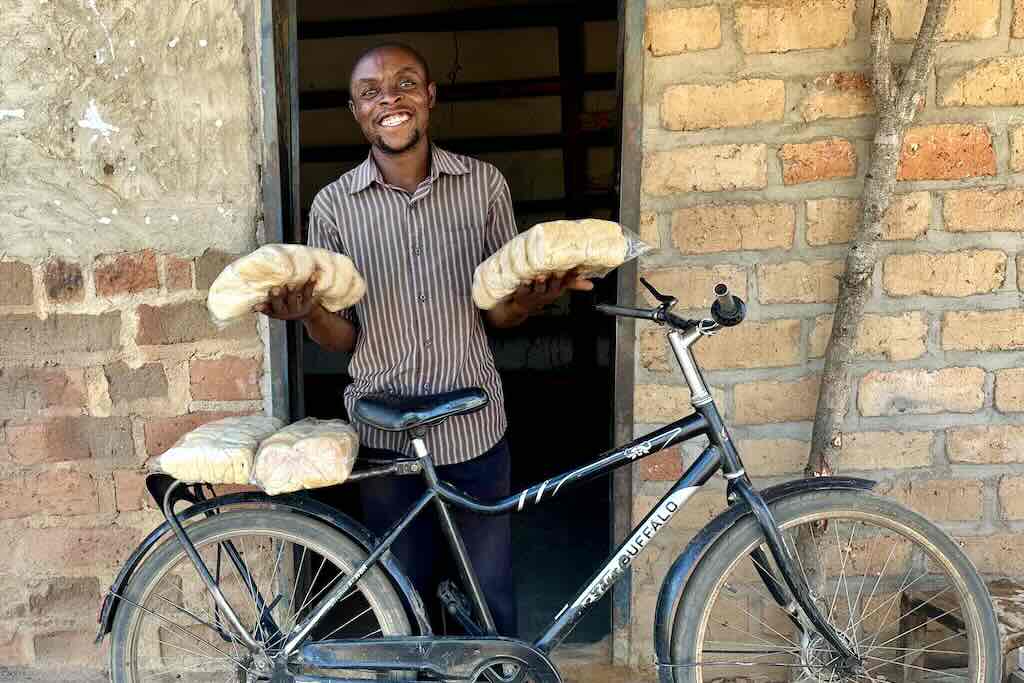
Business Impact: Business owners with bicycles recorded a 53% higher revenue per month compared to the control group, underscoring the economic power of improved mobility.
Social Empowerment for Women: Women who received bicycles experienced significant social benefits, with a 60-percentage point reduction in the likelihood of canceling travel outside their communities. Increased mobility improved women’s life satisfaction by 11%, giving them greater self-esteem and decision-making power within households.
Climate Resilience: The study provides unique insights into how bicycles help build resilience in the face of climate shocks. Households without bicycles saw a decline in income and consumption during Zambia’s severe drought, while those with bicycles were able to maintain their consumption and increase income levels, demonstrating the role of mobility in strengthening climate adaptability at the household level.
Significance of the Research
“This RCT is a landmark study for understanding the role of mobility in addressing poverty, inequality and building resilience in rural communities,” said Jeff McManus, Senior Economist at IDinsight. “The findings, together with findings from an earlier RCT of the impacts of giving bicycles to schoolchildren in Zambia, provide compelling evidence that bicycle interventions have far-reaching impacts on economic stability, healthcare access, and education outcomes, especially in rural, marginalized communities. It is a privilege to partner with World Bicycle Relief on such an important project that has the potential to inform strategies for improving livelihoods in poor and marginalized communities.”
Implications for Global Development
This study builds on previous research, including WBR’s ‘Wheels for Change2’ study, which highlighted the role of bicycles in improving girls’ education. Together, these RCTs provide powerful evidence of how bicycle mobility interventions can address systemic challenges faced by rural communities, particularly for women and marginalized groups.
“With this research, World Bicycle Relief is uniquely positioned to lead scalable, sustainable mobility interventions that can be integrated into broader development programs focused on education, healthcare, and economic opportunities,” Neiswander added. “As global organizations seek proven strategies to tackle mobility poverty, bicycles offer a practical, scalable solution, and we are excited to be at the forefront of delivering this impact.”
A Call to Action
The findings from this study provide a roadmap for governments, donors, NGOs, and development partners to incorporate bicycles as part of a holistic approach to poverty alleviation and rural development. World Bicycle Relief is calling on international development partners and policymakers to invest in scalable mobility solutions that can drive economic and social progress in rural areas.
For more information or to access the full reports, please visit worldbicyclerelief.org/idinsight
*References:
1. Global Mobility Report, 2017, Sustainable Mobility for All Initiative
2. World Bicycle Relief, Wheels of Change RCT Study, 2017- 2018
About World Bicycle Relief:
Founded in 2005, World Bicycle Relief mobilizes people through the Power of Bicycles. As a pioneering non-profit social enterprise, World Bicycle Relief has distributed over 790,000 bicycles to provide greater access to education, healthcare, and economic opportunities, uplifting communities worldwide. Discover more about our mission, impact, and vision at WorldBicycleRelief.org.
About IDinsight
IDinsight is a mission-driven global advisory, data analytics, and research organization that helps global development leaders maximize their social impact. We tailor a wide range of data and evidence tools, including randomized evaluations and machine learning, to help decision-makers design effective programs and rigorously test what works to support communities. We work with governments, multilateral agencies, foundations, and innovative non-profit organizations in Asia and Africa. We work across a wide range of sectors, including agriculture, education, health, governance, sanitation, and financial inclusion. We have team members who are remote and have offices in Dakar, Lusaka, Manila, Nairobi, New Delhi, and Rabat.
For media inquiries, contact:
Michael Kelly, Communications Director
World Bicycle Relief
mkelly@worldbicyclerelief.org
831-359-1839