GREAT BRITAIN AND THE GREAT INDUSTRIAL REVOLUTION
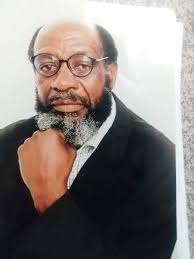
New Labour Party (NLP) President Fresher Siwale
By Fresher Siwale, President, New Labour Party (NLP)
FOR a long time now we have been told that the blue print for the Great Industrial Revolution has been lost therefore, it cannot be replicated anywhere in the third world. But from time to time representatives from the western world including the IMF, World Bank and the United Nations have come to inform us that the number of toilets you have in your country determines your level of development.
The confusion that has arisen by the above statement is the failure to differentiate between a latrine and a toilet by our leaders in the third world. There are three types of latrines namely bush, bucket and pit and because our leaders have predominantly used the bush latrine in their childhood they see the bucket and pit latrines as an improvement on the bush latrine and call them toilets.
In the year 1422, King Henry V died at the age of 36 years and it is recorded that the cause of death was Dysentery. It was during the period of the black plaque of cholera and dysentery. And the British authorities announced the death and cause of death publicly. The public and transparent announcement of the king’s acted as a challenge to British citizens to prevent the death of next king and that’s how they came up with the concept of a modern city anchored around a water borne toilet.
In Zambia, we have had deaths of presidents and because of failure at transparency the deaths have not helped in the transformation development agenda for the nation. When President Levy Mwanawasa died we were informed that he was jogging in Paris just before the official announcement of death. He was brought into the country BID and no postmortem report has been given 17 years later. President Frederick Chiluba s death is no different and so was Michael Sata’s death.
During the period of the black plaque of cholera and dysentery the British were also using latrines and they were also suspicious of people carrying chameleons like we are doing now. They were even burning people alive who were suspected of practicing witchcraft but the difference came when they adopted the concept of a modern city.
In trying to mount a toilet they soon discovered that they could not mount it in the bush because it needed a building. For them to build they needed building materials so quarrying of stone and sand started (mining). Skills like bricklaying, carpentry, electrical and plumbing led to the establishment of Trades Training Institutes.
The biggest challenge they had was pumping of water to the toilet and that challenge led to so many discoveries and inventions, chief amongst them was the thermal plant and they called it the big power. The energy generated by the thermal plant needed to be distributed over long distances and wide areas therefore the need for good conductors of electricity and copper was that conductor and where was copper? And copper was in Africa and that’s how the British came to start mining activities this side of the world, but surprisingly ourselves 60 years after independence we don’t seem to know and understand what copper is used for.
Without the toilet there would not have been the Great Industrial Revolution and modern cities in the western world as we know and admire them. And also that all economies of the western world are driven by the toilet because it’s the only instrument that consumes production from all sectors of the economy.
Next time you visit the toilet use it with respect because in its history it made three small islands to be GREAT.