BRIDGING NATURE AND HUMANITY: THE CRUCIAL ROLE OF WETLANDS IN THE SADC REGION
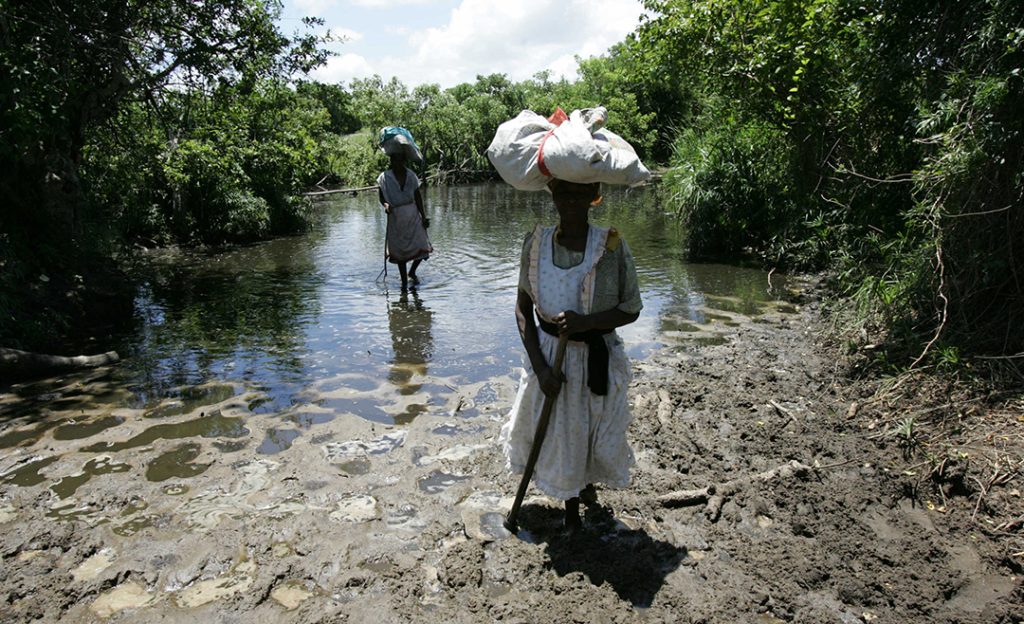
Photo by: Alexander Joe/AFP – Good Governance Africa, Two women walking out of a swampland.
By Thokozani Dlamini
SADC-Goundwater Management Institute (GMI) Communication and Knowledge Management Institute
Wetlands are among the most productive ecosystems on the planet, providing essential services that benefit both nature and human life. In the Southern African Development Community (SADC) region, wetlands play a critical role in supporting biodiversity, regulating water cycles, and offering livelihoods for millions of people.
Wetlands provide a range of vital services, including water purification, flood control, and carbon storage, making them crucial for environmental sustainability and climate resilience. They support diverse wildlife habitats, enhance agricultural productivity, and offer recreational opportunities. The focus on “Wetlands and People” in 2025 highlights the integral relationship between human communities and wetland health, emphasizing that conserving these ecosystems can lead to improved livelihoods, food security, and enhanced well-being.
The adoption of the Ramsar Convention in 1971 marked a significant milestone in the conservation of wetlands globally. This international treaty aims to ensure the sustainable use of wetlands, encouraging countries to recognize and protect these vital ecosystems.
To maximize impact, nations can encourage community engagement in wetland conservation efforts, implement sustainable management practices, and strengthen legal frameworks that protect these essential areas. Raising awareness during World Wetlands Day can drive action at local, national, and international levels to ensure that wetlands continue to thrive for future generations.
What Are Wetlands?
Importance of Wetlands to Communities
The alarming decline of wetlands, with nearly 90% degraded since the 1700s, highlights the urgency for action. Wetlands are essential for maintaining biodiversity, regulating the climate, and providing freshwater resources. Their destruction significantly impacts vulnerable communities, exacerbating food insecurity and poverty, especially as they face climate-related challenges. World Wetlands Day serves as a crucial platform to raise awareness and promote collective efforts to conserve and restore these ecosystems. Initiatives can include community education, support for sustainable practices, habitat restoration projects, and stronger policies to protect wetland areas. By prioritizing wetland conservation, we can safeguard biodiversity, enhance resilience against climate change, and improve livelihoods for millions worldwide.
1. Source of Livelihoods
Approximately 800 million people worldwide depend on wetlands for their livelihoods, which includes fishing, agriculture, and tourism. In the SADC region, communities engage in subsistence fishing and agriculture, benefitting significantly from the resources that wetlands provide. For instance, the Okavango Delta in Botswana supports over 60,000 inhabitants, whose primary source of income stems from fishing and eco-tourism activities.
2. Biodiversity Support
Wetlands serve as critical habitats for numerous plant and animal species. According to the World Wildlife Fund, wetlands in southern Africa host over 7,000 different species of plants and animals. The preservation of such biodiversity is essential for maintaining ecological balance, which, in turn, supports local lives and economies through sustainable practices.
3. Water Regulation and Quality
Wetlands are vital to the hydrological cycle, functioning as natural water filters that enhance water quality, regulate groundwater levels, and mitigate flooding risks. Their unique structure allows them to absorb rainfall and snowmelt, slowly releasing water into aquifers, thereby sustaining groundwater supplies even during dry spells. The Zambezi Basin exemplifies successful wetland conservation, which has markedly improved local water quality and reduced waterborne diseases. In South Africa’s Limpopo Province, community-driven wetlands rehabilitation projects, supported by government and NGOs, have restored essential vegetation, eradicated invasive species, leading to better fish populations and increased water supply. These integrated conservation efforts have improved local livelihoods significantly. Additionally, the Zambezia province has launched programs like the “Integrated Sustainable Management of Natural Resources” to ensure sustainable development while preserving wetlands. Local fishing cooperatives have emerged, promoting sustainability and achieving a 20% increase in fish yields over three years, thereby strengthening economic stability and demonstrating wetlands’ potential as renewable resources.
Climate Change Impacts
Wetlands are vital buffers against climate change impacts. They help reduce the effects of flooding and drought, contributing to community resilience. However, climate change poses threats such as rising temperatures, changing rainfall patterns, and increased frequency of extreme weather events. In the SADC region, the degradation of wetlands due to agricultural expansion and urbanization has profound implications for both biodiversity and human well-being.
Conclusion: Protecting Our Wetlands
However, as pressures mount from development and climate change, safeguarding these precious ecosystems is more crucial than ever. Addressing the threats to wetlands requires integrated land-use planning that considers the ecological and social importance of these areas. Sustainable practices in agriculture and urban development can help protect wetlands while promoting resilience to climate change. Restoration efforts, coupled with community engagement and education, are vital in reversing wetland degradation and ensuring that these critical ecosystems continue to provide their invaluable services for both the environment and the people. – Southern African Development Community (SADC) region