
BEYOND BAD APPLES: Combating Bullying Requires Systemic Support, Not Just Punishment
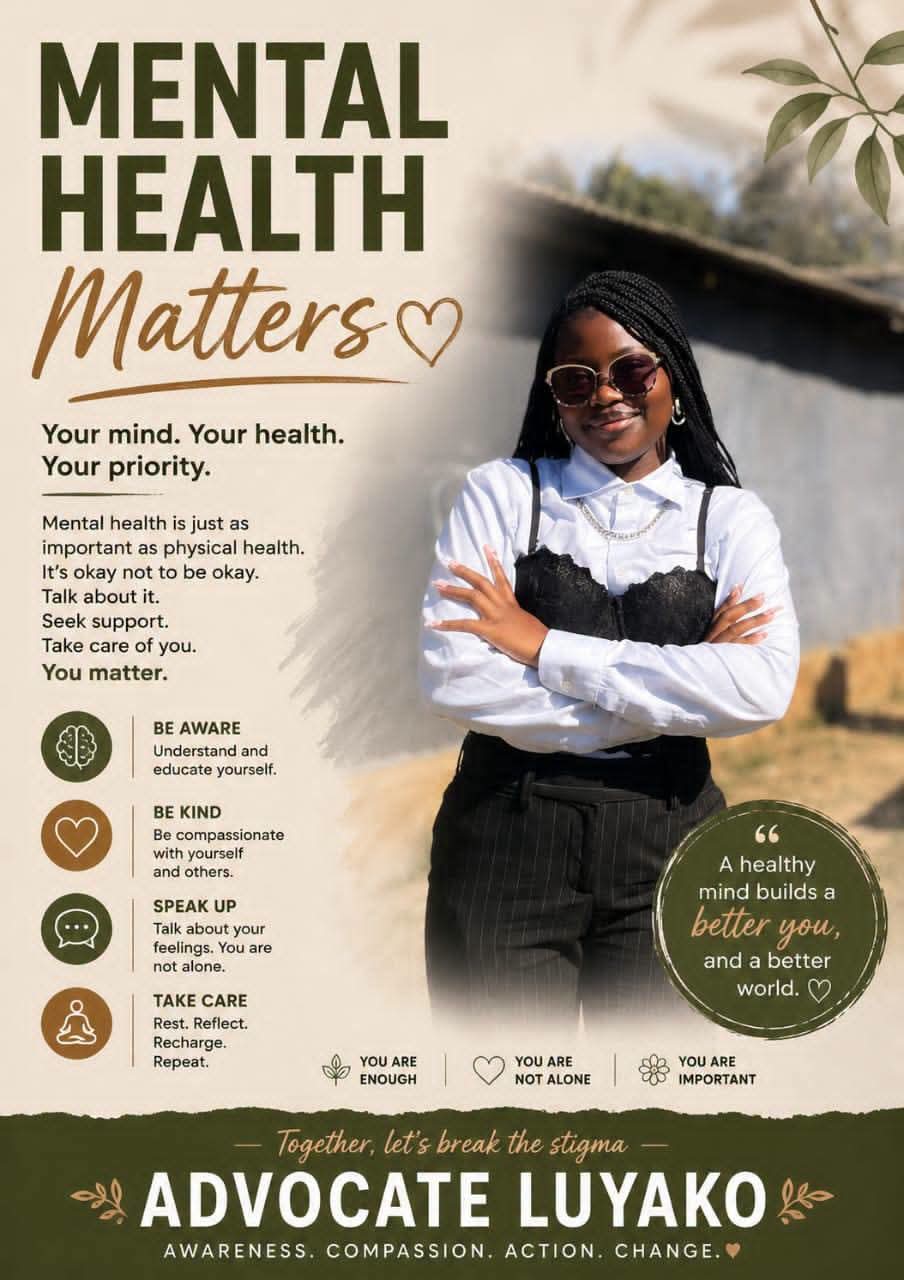
Advocate Luyako Patience
By Luyako Patience
When addressing bullying, our default response is almost always reactive. We search for the perpetrator, issue a punishment, and consider the case closed. Yet, relying solely on disciplinary action after harm has already occurred does very little to heal the victim or reform the environment. If we truly want to protect youth mental health, we must look beyond individual “bad apples” and address the social structures that allow hostile behaviors to take root in the first place.
Punishment targets symptoms, but systemic support fixes the climate. When anti-bullying strategies depend exclusively on fear of consequence, they create an underground culture of subtle toxicity. Harassment simply shifts from overt actions to quiet exclusion and covert digital targeted behavior, forms of harm that bypass traditional disciplinary frameworks entirely. Victims are left in spaces that remain fundamentally unsafe, while bullies learn only to refine their methods of avoiding detection.
Creating genuine safety requires a cultural shift toward proactive, community-led infrastructure. Instead of waiting for a crisis to break out, schools, youth platforms, and community organizations must actively cultivate environments of psychological safety. This means embedding empathy, emotional intelligence, and conflict-resolution mechanisms directly into routine activities. When peer leadership programs and youth networks normalize active listening and inclusive group norms, accountability becomes a shared community value rather than an enforced rule.
Furthermore, tackling the root causes of bullying requires robust peer-support networks. Young people facing social pressures or personal distress need accessible channels where they can speak open heartedly without fear of judgment or retaliation. By equipping youth leaders with basic peer counseling skills and fostering environments where seeking mental health support is normalized, we create natural circuit breakers against toxic dynamics.
Moving forward, our priority must be preventative care rather than reactive discipline. True intervention isn’t just about reprimanding those who cause harm; it is about intentionally building spaces where every young person feels seen, valued, and safe enough to thrive.
YOUR FEEDBACK WILL BE HIGHLY APPRECIATED; Contact: +260975885144
email: luyakopatience@gmail.com
THANK YOU.
ABOUT THE AUTHOR: Luyako Patience is a medical student at Lusaka Apex Medical University pursuing a Bachelor of Pharmacy. A Mental Health Advocate, She is a dedicated Youth and SDG Advocate specifically focused on SDG 3 (Good Health and Well-being) and SDG 17 (Partnerships for the Goals), working to dismantle the cultural stigma surrounding mental health in Zambia.