First Africa Resources faces questions over unpaid K114,705 security bill and US$4,000 worker dues

First
August 28, 2026 – Lusaka
First Africa Resources is facing questions over unpaid obligations to a local security company and one of its workers, with documents showing that the commodity trading company owes Target Security Solutions Zambia K114,705 and a worker approximately US$4,000 in unpaid dues dating back to December 2025.
A formal Acknowledgment of Receipt dated April 30, 2026, shows that First Africa Resources received documents from Target Security Solutions Zambia relating to an outstanding balance of K114,705.
The documents include a statement of accounts covering the period from June 1, 2024 to January 31, 2026, as well as an Acknowledgment of Debt and Undertaking to Pay dated April 30, 2026.
According to the document, the balance of K114,705 remained outstanding at the time of the acknowledgment.
The document was received on behalf of First Africa Resources by its Country Manager, Gibson Nsofu, who signed in his capacity as the company’s representative.

However, allegations have emerged that despite making undertakings on behalf of the company, Nsofu has allegedly been difficult to reach when it comes to settling the outstanding obligations.
The development comes amid separate claims that First Africa Resources also owes one of its workers about US$4,000, following a dispute over payment for zinc concentrate processing work.
According to handwritten records made in November 2025, approximately 300 tonnes of zinc concentrate were delivered to a warehouse at the Lusaka Economic Facility Zone.
The notes indicate that the worker was paid US$6,000, while a balance of US$4,000 remained unpaid.
The worker reportedly demanded payment of the outstanding amount, together with interest, after alleging that First Africa Resources had failed to honour its financial obligations.
The worker is also described in the records as having been a key person involved in processing the materials.
The dispute has reportedly remained unresolved since November 2025.
There was also a raised concern that they once manipulated the zinc testing results and sent a falsified document showing that the test was done by a reputable international laboratory operating in Zambia.
Nonetheless, after the worker finished processing the zinc and was shifted to the warehouse, shockingly First Africa Resources claimed that the grade results on zinc was less in percentage than earlier test results.
There are also allegations that some of First Africa Resources’ directors are based in Europe and have spent extended periods outside Zambia, raising questions about the company’s local management and accountability to creditors and workers.
The notes further indicate that First Africa Resources had sold the zinc concentrate in the warehouse ranging around $320 per tonne.
One of First Africa Resources directors, Zadanfarrokhi Farzin, holds a British passport and holding an investors’ Zambian permit.
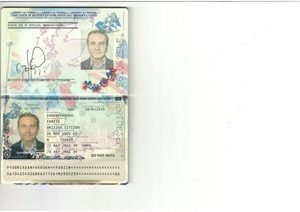
For the past three years, Farzin is alleged to have been coming into Zambia for short periods just to renew his permit and going back to the United Kingdom leaving behind unpaid debts.
However, Farzin has been out of the country for almost a year now, he was last in the country around October 2025.
His long absence means his investors’ permit could be automatically cancelled because of the overlapping time.
The Country Manager, Nsofu, is understood to be the local representative of the company and has allegedly made commitments regarding the settlement of some of the outstanding obligations.
The documents reviewed do not, on their own, establish why the payments have remained outstanding or whether there are contractual disputes between the parties.
First Africa Resources has an opportunity to respond to the allegations and explain the circumstances surrounding the outstanding K114,705 security bill and the approximately US$4,000 worker claim.
The case raises broader questions about corporate accountability, payment of local contractors and workers, and the responsibility of locally appointed managers where company directors or owners are based outside Zambia.