
Public Food Procurement Policies among School Children in Zambia
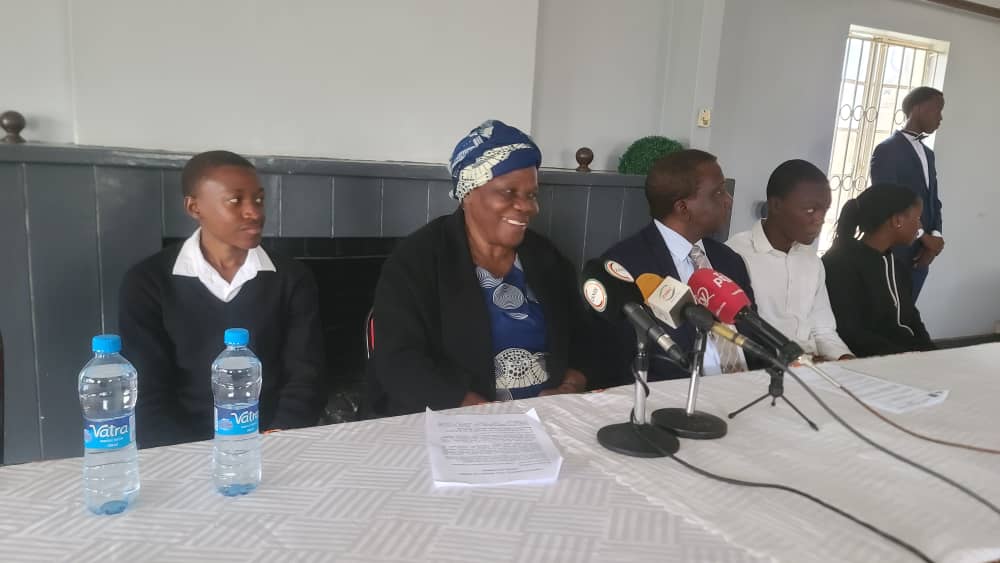
Tobacco Free Association of Zambia (TOFAZA) Executive Director Brenda Chitindi (second left),18-year-old Khombusto Phiri Jemimah Phiri and 18-year-old youth advocate with Tobacco Control Consortium of Zambia (TCCZ) Chairperson Mr. Albert Muloboka Phiri (second right). - Picture by Chapala Chikoyi.
By Brenda Chitindi,
Founder and Executive Secretary,
Zambia Heart and Stroke Foundation
Educational settings from pre-school through secondary schools and beyond, substantially influence the health and well – being and improved educational performance of children and adolescents.
Children spend most of their time in kindergartens or schools, it is essential that they receive nutrients meals in the education institutions. Children who do not receive adequate or insufficient nutrition are unable to concentrate and participate fully in the learning process, are often sick and tired.
School – based food and nutrition education helps school children and school communities to achieve lasting improvements in their school practices and outlooks, builds capacity to change and adapt to external change and pass on their learning to others.
Despite increasing interests for school – based food and nutrition education, evidence that support potential, traditional school – based and nutrition education in Zambia is largely underfunded not delivering results and disconnected from other key interventions that aim to support food, nutrition, environment and education nexus.
School food and nutrition education is under resourced with capacity development opportunities lacking throughout school systems, The legal guide of public food procurement policies promotes a holistic and human right – based approach to school food nutrition in which legislation is an indispensable to ensure the sustainability of public policy goals set by a nation. In light of international law and standards, it provides practical information and guidance to develop or strengthen national legislation to improve food security and nutrition in schools as well as community development.
Positive attitude and behavioral change toward healthy eating early in childhood contributes immensely in adopting healthy food habits, and increasing investment in school meals pays for itself as school meals are undervalued in Zambia.
Globally national governments are using food procurement, the purchase, preparation, and serving of food in public institutions to improve the diet and nutritional health of school children and vulnerable populations.

School children reach the highest number of people who dine from public plates, and childcare centers also serve food to children and adolescents at risk of food insecurity, obesity, and diet-related diseases.
In high income countries procurement of healthy food for public plate is a promising strategy that has attracted the attention of public officials. Health-food procurement is one of the few nutritional interventions that can address both dietary scourges facing the world today of undernourishment and over-nourishment.
Almost 800 million people worldwide are undernourished, and 2·1 billion people have BMIs that put them at risk of type 2 diabetes and other diet-related chronic diseases.
In Zambia school meals are deeply undervalued, since the procurement are only looking at the price tags. School meals programs have a positive impact on children and adolescents, and scientific studies repeatedly show the benefits of school meals. When children and adolescents have their basic needs met, they are healthier and learn better. School children spend most of their life time in schools and schools should provide the healthiest foods each day as a foundation for their well – being and long term success.
Improving dieta

ry composition of food served in school meals, programs should be regulated by national guidelines making it healthier than the average Zambian diet. School meals in Zambia should follow the national nutrition standards to prevent cases of child obesity.
Shifting nutritional quality away from foods like processed meats and those high in added sugars and toward meal patterns higher in whole grains, legumes and vegetables would further help to prevent diet – related diseases and will also have environmental and climate benefits.
Investment in school kitchen infrastructure and culinary training in particular helps schools do more scratch cooking that enables more delicious, healthy and culturally appropriate food service, while also up skilling food service of school workers.
Zambia Heart and Stroke Foundation, a non-governmental, non-political and non-profit organization with its vision for Zambians to have a longer and better life through prevention and control of heart disease and stroke, recommends that for school children to live a healthier and better lives, the government should: –
- Reimburse school meals.
- School administrators to find well priced food which has the best value nutrition for children and adolescents.
- Support healthy school meals, and have a range of policy and school based innovations, such as adoption of healthy school meals for all policies and waivers that make school meals more available during the pandemic.
- Policies to demonstrate the ability to provide school meals for every child regardless of family income.
- School meals to be innovative to have proven efforts to increase children and adolescents consumption of healthier food, such as scratch cooking food, food and nutrition education, school gardens, and healthy purchasing.
- Employ nutritionists in all schools to educate children in food nutrition and healthier food purchases to reduce on consumption of fast foods.
Health-food procurement has the potential to bring together many constituencies who can become a broader force for the promotion of healthy food. Educators, public officials, small-scale farmers, parents, and local businesses can all benefit from effective food procurement programs,
Advocates of health-food procurement in schools, we need to ally with professionals in health, social services, and education, and other public officials to expand public involvement in education, health care and sectors for the social determinants of health. In an era when the ideology of markets-know-best dominates the political agenda, the development of governance processes and public sector capacity to put the public interest first are key prerequisites for the improvement of school children health and reduction of health inequalities