COMESA moves to shape Regional AI rules as Zambia positions itself as Digital Transformation Hub
“Ministry of Technology and Science Permanent Secretary Dr Brilliant Habeenzu reaffirmed Zambia’s commitment to harnessing AI as a catalyst for national development through investments in digital infrastructure, skills development and regional cooperation”
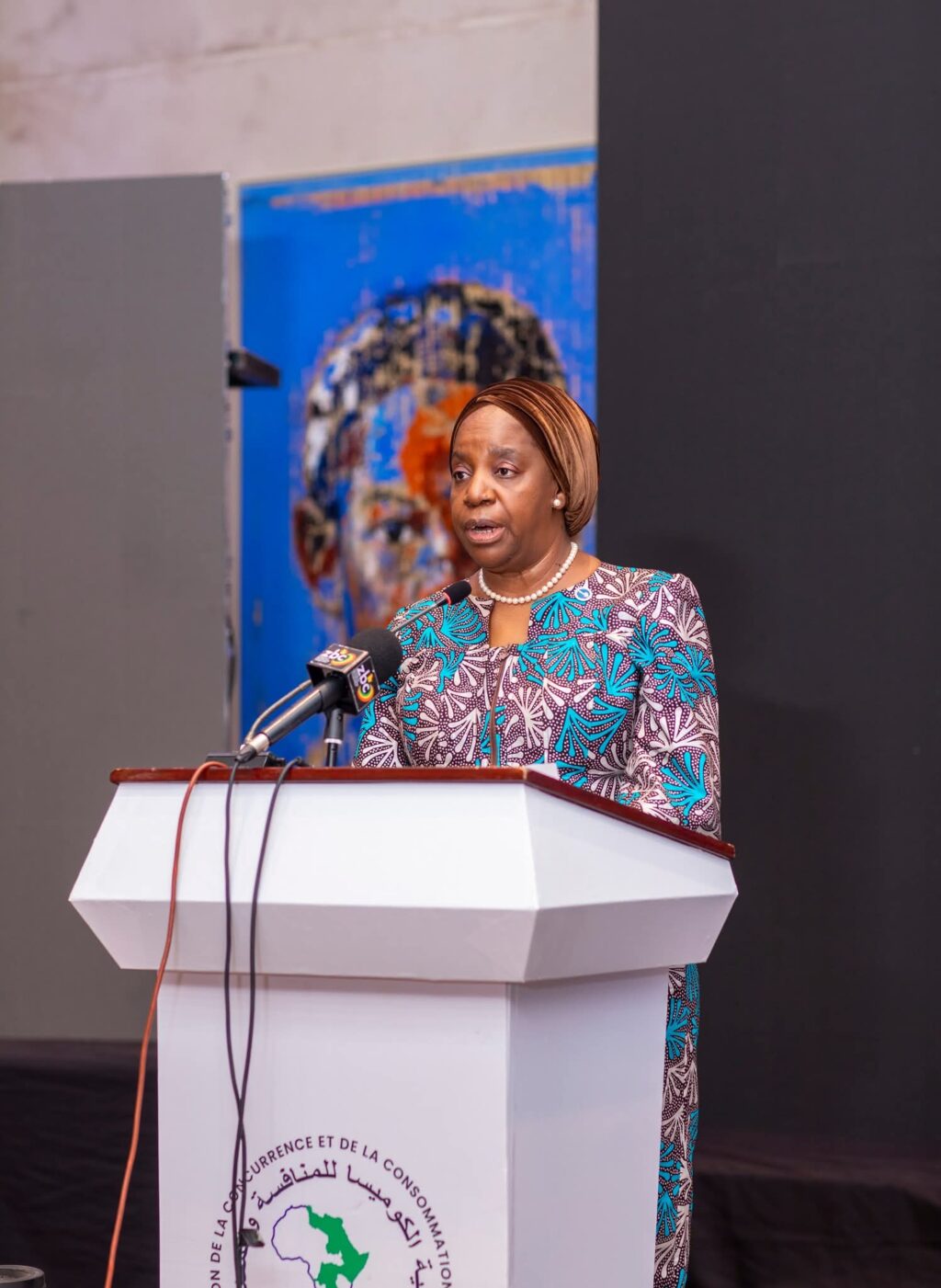
COMESA Secretary General (SG) Chileshe Kapwepwe. - KNZ Television ZCYPWD Kwilanzi News Zambia
July 13, 2026 – LUSAKA
The Common Market for Eastern and Southern Africa (COMESA) has launched an ambitious drive to develop a Regional Artificial Intelligence (AI) Strategy and harmonised digital governance frameworks, with Zambia playing a central role in shaping the future of AI and digital inclusion across Eastern and Southern Africa.
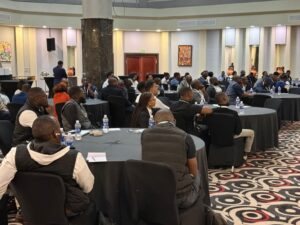
The initiative was unveiled during the Zambia Stakeholder Consultative Engagement and Awareness Training on Harnessing Artificial Intelligence, Emerging Technologies and Digital Inclusion under the Inclusive Digitalisation in East and Southern Africa (IDEA) Programme.
The consultations have brought together government officials, regulators, academia, civil society, the private sector and development partners.
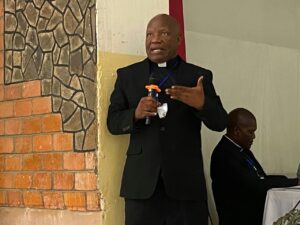
Speaking on behalf of the COMESA Secretariat, Telecommunications Officer Leonard Chitundu, representing Secretary General Chileshe Kapwepwe, commended Zambia for hosting the consultations and described the country as an important partner in advancing digital transformation within the 21-member regional bloc.
Mr Chitundu said Zambia’s experiences and policy contributions would help ensure that regional AI and digital inclusion frameworks are practical, inclusive and responsive to the realities facing member states.
He said Artificial Intelligence has the potential to transform public service delivery, modernise agriculture, strengthen healthcare, improve education, facilitate regional trade and drive innovation-led economic growth across the COMESA region.
However, Mr Chitundu cautioned that the rapid growth of AI also presents governance challenges, including ethical use, transparency, accountability, cybersecurity, data governance, privacy protection and regulatory oversight, which require coordinated regional action.
He said COMESA is therefore developing harmonised policy and regulatory frameworks that will promote responsible AI innovation, interoperability and public trust while supporting sustainable digital transformation across member states.
Officially opening the workshop, Ministry of Technology and Science Permanent Secretary Dr Brilliant Habeenzu reaffirmed Zambia’s commitment to harnessing AI as a catalyst for national development through investments in digital infrastructure, skills development and regional cooperation.
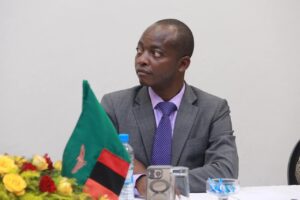
Dr Habeenzu noted that Artificial Intelligence is projected to contribute more than US$15.7 trillion to the global economy by 2030, with Africa expected to capture about US$1.2 trillion if countries accelerate responsible AI adoption.
He said AI is already transforming agriculture through precision farming, healthcare through improved diagnostics, education through adaptive learning technologies and financial services by expanding financial inclusion.
Dr Habeenzu said AI-enabled farming could increase agricultural productivity by up to 20 percent, while AI-assisted diagnostics could reduce medical misdiagnosis by between 30 and 40 percent.
He added that AI-powered financial technologies could help address Zambia’s low formal financial inclusion, currently estimated at 37 percent of adults.
The Permanent Secretary stressed that these opportunities must be supported by strong governance frameworks, warning that uneven policy readiness across COMESA could lead to fragmented regulations and missed opportunities if member states fail to coordinate their approaches.
He said Zambia is implementing the National Digital Transformation Programme, under which mobile broadband penetration has increased to 72 percent from less than 40 percent a decade ago, while more than 300 communication towers have been constructed nationwide since 2022.
He also reaffirmed Zambia’s collaboration with COMESA and the World Bank under the US$2.48 billion IDEA Programme.
The consultations are expected to generate recommendations that will feed directly into the COMESA Regional Artificial Intelligence Strategy, Regional Digital Inclusion Strategy, their action plans and supporting regulatory frameworks aimed at creating a more innovative, inclusive, secure and digitally connected Eastern and Southern Africa.