I Love the City of Lusaka
By Mwizenge S. Tembo, Ph. D.
Emeritus Professor of Sociology
When I was 15 years old 57 years ago in 1969, I frequently walked from North mead along the Great East Road from my uncle’s house to Cairo Road just to have some fun and entertain myself. I had 20 ngwee. I bathed and wore some smart clothes. I walked from the North end of Cairo Road past the Barclays Bank, Times of Zambia, the Post Office, Rendezvous, Kingstones Book Store, OK Zambia all the way to Zamby Snack Bar near the Southern end of Cairo Road. I would enter the restaurant, buy an Ice Cream cone for 10ngwee. I went to the jukebox and put in a ten ngwee coin. I chose my 3 favorite songs and sat down to listen to the 3 songs while I ate my ice cream. Once I finished, I strolled along Cairo Road while window shopping and went home.
Escalator
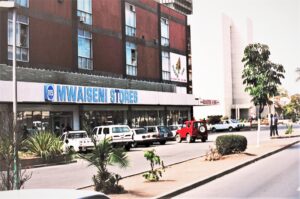
When the South African comedian Trevor Noah made jokes that the escalator was first introduced in Zambia in Lusaka after 2000, he was wrong. My young relatives and I one day in 1969 walked from North mead to go shopping at Mwaiseni Stores.
There was a new escalator in Mwaiseni Store which we rode up and down stairs several times. I must admit there was drama and excitement among the shoppers getting on and off the escalator.
Cairo Road, ChaChaCha Road, Freedom Way was where you went if you were a resident of Lusaka. All the shops on the streets had large front clean windows with no burglar bars.
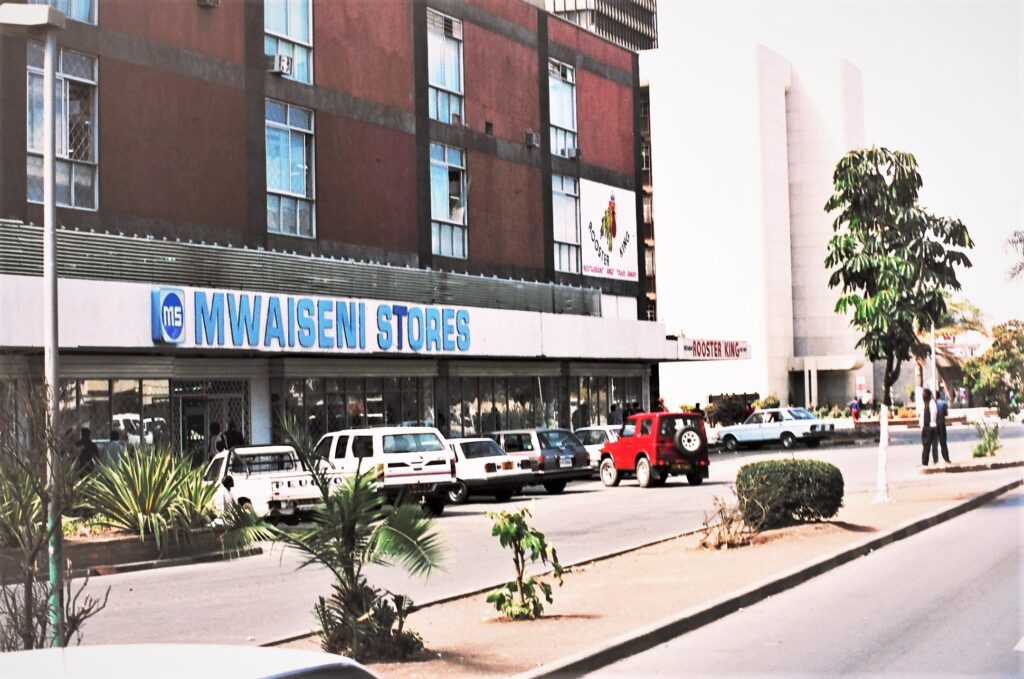
The merchandise was beautifully displayed. The public and potential customers slowly walked or strolled on the street sidewalk admiring the displayed merchandise. This was the famous and popular window shopping.

Emeritus Professor of Sociology
I Love Lusaka
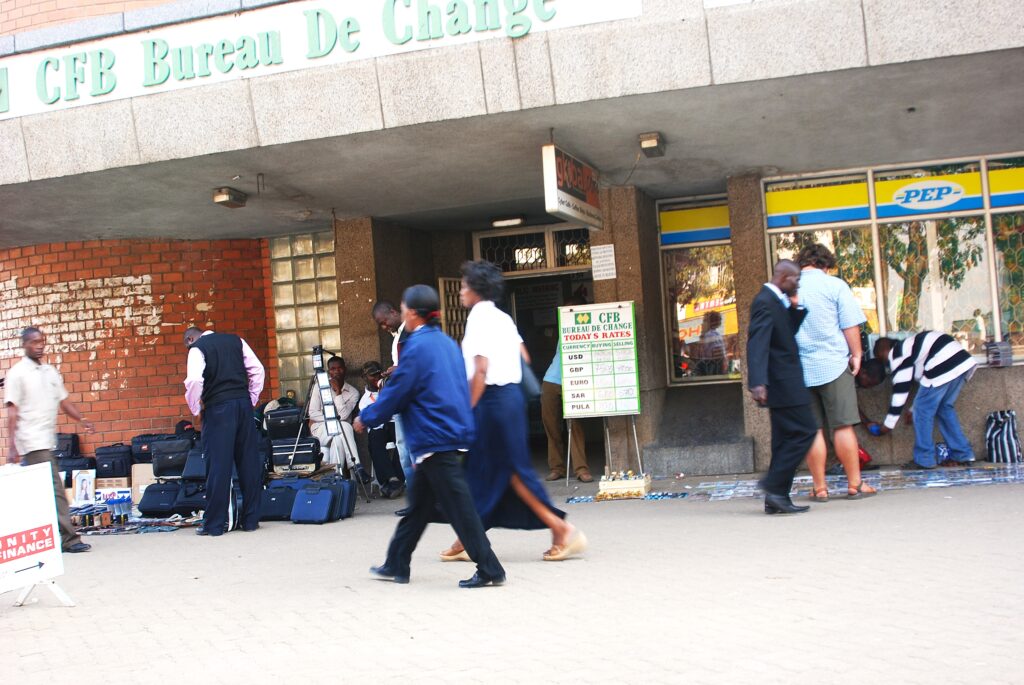
When Lusaka Mayor-elect Chitambala Mwewa was implementing moving all the numerous illegal street vendors from the Lusaka Central Business District (CBD) many older residents wrote comments on the Mayor’s Facebook postings. I read many of the comments. One man said he used to bathe, wear smart clothes and catch a local bus from Libala to the CBD so that he could window shop along Cairo Road on Sunday afternoons. Someone said he used to walk from Misisi Compound near Heroes Stadium or the old Independence Stadium to Cairo Road to enjoy window shopping. One person witnessed United National Independence Party (UNIP) Chairmen inspect all the homes of all residents in the Lusaka compounds to make sure their house surroundings were swept and clean. I was a student at University of Zambia for 4 years from 1972 to 1976. I had a great time in the city.
Lusaka CBD was clean with no vendors on the streets. It was safe and enjoyable to shop, go and watch a movie at Carlton Cinema at the Central Arcade which was between Cairo Road and ChaChacha Road or 20th Century Cinema near Kulima Tower, go to a bar such as Stanley Bar or restaurant or just stroll along the streets. I love Lusaka and it has been my city for the last 57 years.
The Decline of Lusaka CBD
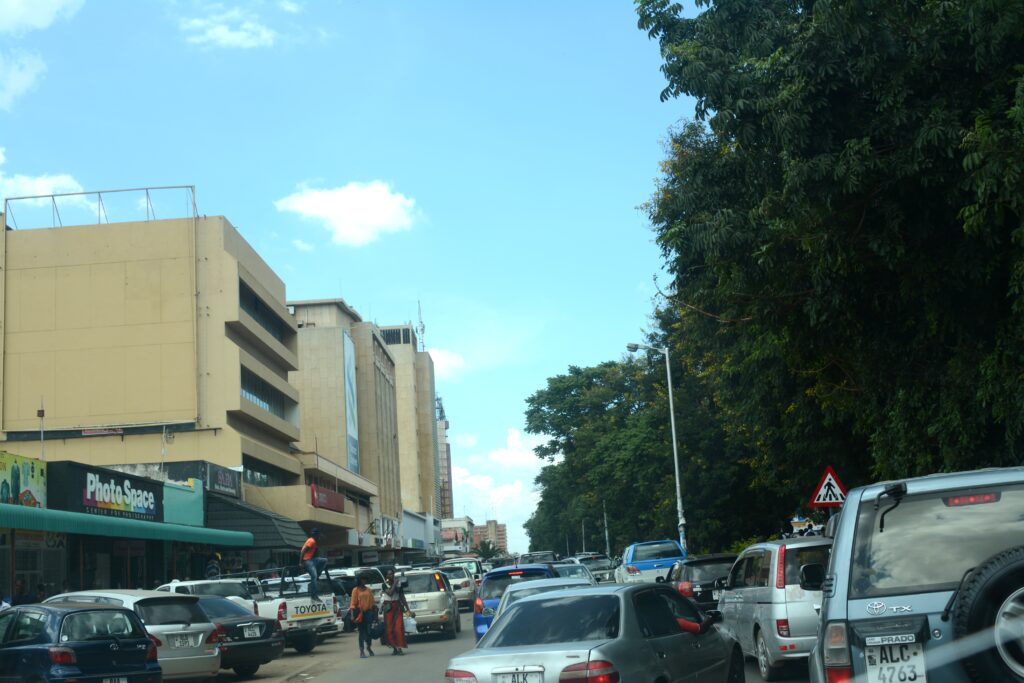
When Lusaka CBD began to deteriorate in 1991 with street vendors flooding the area with overcrowding and spreading of filth, it was very painful for many Lusaka residents.
The population of Zambia has increased and changed during the last 62 years. Lusaka had a population of 100,000 people in 1964, in 1990 it was 982,362, and 62,393,400 or over 2 million people in 2026. Approximately 75% to 80% of Zambia’s population is under the age of 30. When I looked at the large crowds Mayor Mwewa was addressing, it seems virtually all or most of them were probably under 35 years old and were born after 1991. Therefore, they have no direct knowledge or the history of Lusaka CBD. All they know are the crowds of illegal vendors and filth in the streets. This is why knowing and understanding your history is very important.
Those Opposing Mayor Mwewa Policies
All of us who are Zambians and posting about the street marketeers in Lusaka are educated but may be not well informed. Some of us say street marketeers are poor because of unemployment therefore they need to sell on the streets in order to feed their families. Since the President Chiluba administration in the early 1990s, those who oppose moving street marketeers use the same excuse: “Don’t victimize the poor and powerless”. This sounds very heroic. I have seen postings where some of us go to the City Council job descriptions and argue that Mayor Chitambala Mwewa’s job is to sit in his office and work from there and not to be physically in the streets.
The most popular and heroic response is: “You cannot build a better city by destroying people’s livelihoods” when anyone suggests we move (not remove because no force is being used) street traders as the Lusaka Council is doing right now.
Some say the official job description says nothing that the Mayor has to go to the streets and implement changes in the markets. Some have dismissed what Mayor Mwewa is doing as simple “content creation” for himself for his cell phone. Some say this has to do with human rights. Some have photos of clean street selling in European or other foreign cities and towns in the world and conclude that our street marketeers should just sell wherever they want on the streets. These are all theoretical arguments that will not solve our Zambian current serious problems about the City of Lusaka CBD or may be all streets in Zambia being dirty and filthy.
The Filthy Parts of Lusaka CBD
I have known the City of Lusaka since 1969 or for 57 years. The area today from Intercity Bus terminal, Luburma Market, Kamwala, North of Kafue Roundabout on the South end of Cairo Road, Cairo Road, Ben Bella Road, around the Findeco beautiful building, Kafue Roundabout, Comesa Market, Chachacha Road, Freedom Way Road, Lumumba Road, Simonson Building, City Market, Simon Mwewa Lane, Los Angeles Road, Soweto Market, and Kanyama Compound and other adjoining areas. They are all dirty, filthy, ugly with trash or rubbish piled all over, drainages blocked, ifiko all over, overcrowding causing traffic grid locks and congestion. I have personally gone and have been to all these places just doing personal errands. Soon is the rain season (reports say even now) Zambians will be dying of cholera in these parts of Lusaka. Mayor Mwewa has said there is corruption among Counsellors and UPND Party Cadres, in how the markets are currently operating that contributes to the problems.
Move the Street Sellers
What is needed now, immediately and urgently, is to move all the street marketeers into the markets where there is enough space for all the street marketeers. Inside the markets, there is clean water, toilets, and rubbish bins.
When I go inside markets, I know what I am looking for to buy as a customer. I do not need to have all the merchandise poorly and carelessly displayed on the street causing unnecessary congestion.
Mayor Mwewa says there are 28 markets in Lusaka. There are 8,000 street vendors but there are 15,000 spaces available inside the markets. There is no force, cruelty, or any violent police action required in moving the vendors from the streets.
There are also over 3,000 Prohibited Immigrants (PIs) illegally selling on the streets as vendors. These are people who are in Zambia illegally from more than 8 neighboring countries.
Mayor Mwewa has educated all the marketeers. If you do not believe what I am saying, you just need to watch all the numerous videos Mayor Mwewa has posted in which he talks and walks among throngs of the public. If you oppose what Mwewa and Lusaka City Council are doing in moving all the chaotic street vendors from Lusaka streets, you should rethink.
We can work on the other problems later dealing with the individual rights of street vendors or any other proper or better arrangements for street vendors.
Already I am seeing some parts of the clean Lusaka I have known in the parts the city council have implemented in removing street selling. The new clean parts of the streets bring me joy when I see cars and buses moving freely and my fellow Zambians as city residents walking freely as pedestrians.