
Tobacco farmers cry foul over exploitation as calls grow for contract reforms and crop diversification
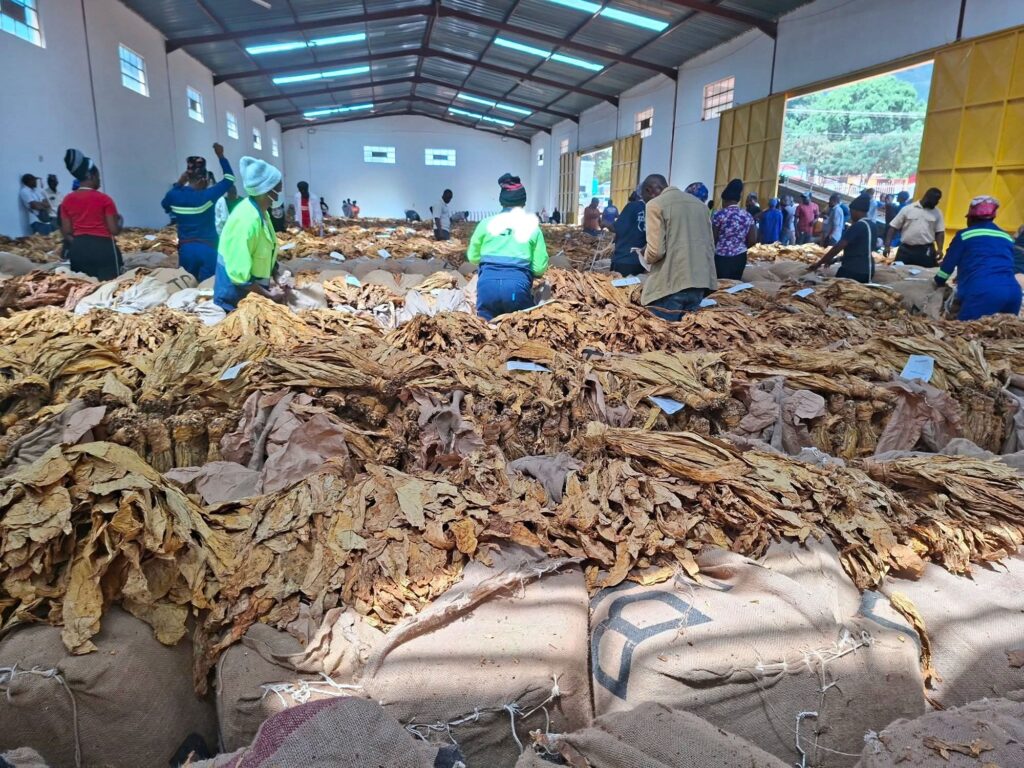
Tobacco farmers cry foul over exploitation as calls grow for contract reforms and crop diversification
By Francis Lungu
Wednesday, 6th May, 2026 – Lusaka
Growing discontent among Zambia’s tobacco farmers has once again exposed deep-rooted concerns surrounding farmer exploitation, weak contract enforcement and inadequate agricultural market regulation.
Hundreds of tobacco growers have reportedly remained stranded in Lusaka after failing to secure fair prices for their produce from contracting tobacco companies during the 2026 tobacco marketing season.
The unfolding situation has sparked urgent calls for government intervention to protect small-scale farmers from what stakeholders describe as predatory practices by some tobacco buyers, while also reigniting debate on the need for sustainable alternative crops that can provide better and more stable returns.
Farmers from major tobacco-producing districts, particularly in Eastern Province, have complained of being offered prices far below the cost of production despite entering into contractual agreements with licensed tobacco-buying companies at the start of the farming season.
Many of the affected farmers reportedly transported their produce to Lusaka in anticipation of sales, only to be met with delayed transactions, reduced buying quotas or outright rejection of their tobacco bales.
“This is not just a pricing issue. It is a structural problem in the way agricultural contracts are managed and enforced in Zambia,” agricultural market analysts have observed.

For many smallholder farmers, tobacco production requires substantial investment in seed procurement, fertilizer, chemicals, curing fuel, labour and transportation.
When buyers offer unexpectedly low prices or fail to honour agreements, the financial consequences can be devastating.
Some farmers say they have been pushed deeper into debt after borrowing money to finance production under the expectation of guaranteed purchase arrangements.
The crisis has raised serious questions about the effectiveness of Zambia’s agricultural market regulation systems, particularly regarding oversight of contract farming arrangements.
Stakeholders argue that while contract farming has the potential to provide farmers with predictable markets and technical support, weak enforcement mechanisms often leave growers vulnerable to exploitation.
There are growing calls for the Ministry of Agriculture, the Tobacco Board of Zambia and relevant regulatory agencies to strengthen oversight by ensuring that all licensed tobacco buyers demonstrate financial capacity before contracting farmers.
Experts are also pushing for the establishment of legally binding standard contract templates with clearly defined pricing mechanisms, dispute resolution procedures and penalties for defaulting companies.
Agricultural economist Dr. Peter Mwansa says Zambia must urgently reform its contract farming framework if it is to protect vulnerable producers.
“When contracts are not enforceable, farmers carry all the production risk while buyers retain the power to dictate terms at the point of sale. This creates an unfair market structure that undermines rural livelihoods,” he said.
The latest tobacco market turmoil has also intensified discussion around crop diversification as a long-term solution.
While tobacco has traditionally been viewed as a lucrative cash crop, fluctuating global demand, tightening international tobacco regulations and recurring pricing disputes have made it increasingly risky for smallholder farmers.
Viable alternative crops
Agricultural experts say Zambia offers several viable alternatives that could provide more stable incomes if supported by strong value chains and market access systems.
Among the most promising alternatives is soybean production, which continues to enjoy growing demand from the livestock feed, cooking oil and export markets.
Soybeans require relatively lower production costs compared to tobacco and can improve soil fertility through nitrogen fixation.
Groundnuts also present strong potential, particularly for export and domestic processing into peanut butter and edible oil.
For farmers in suitable climatic zones, sunflower farming offers an attractive opportunity due to rising demand for cooking oil.
The crop is less labour-intensive than tobacco and has a relatively shorter production cycle.
Paprika and chilli production have also emerged as high-value export-oriented crops capable of generating competitive returns when linked to reliable off-takers.
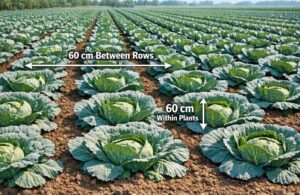
Additionally, horticulture, including tomatoes, onions and cabbages, can provide faster income turnover if farmers have access to irrigation and organised markets.
Some experts are advocating for greater investment in cassava and sweet potato value chains, citing their resilience to climate variability and increasing processing opportunities.
However, analysts caution that diversification will only succeed if government and private sector players invest in extension services, aggregation systems, processing facilities and guaranteed markets.
Without these support structures, farmers risk moving from one exploitative market system to another.
As pressure mounts, affected tobacco farmers are calling for immediate intervention to resolve the current impasse and prevent similar crises in future marketing seasons.
Their plight serves as a stark reminder that Zambia’s agricultural transformation agenda cannot succeed without stronger market regulation, enforceable contracts and deliberate support for crop diversification.
For many stranded farmers, the hope is that their current hardship will trigger reforms that ensure no producer is left vulnerable to exploitation again.