Republic of Zambia Saturday 25th April, 2026 Ministry of Health (MoH) Speech on multi-stakeholder meeting on strengthening a unified approach to tobacco control coordination held at the Intercontinental Hotel in Lusaka, Zambia presented by Dr Chrispine Sichone (MoH) Tobacco Control Focal Point Person Dr. Chrispine Sichone
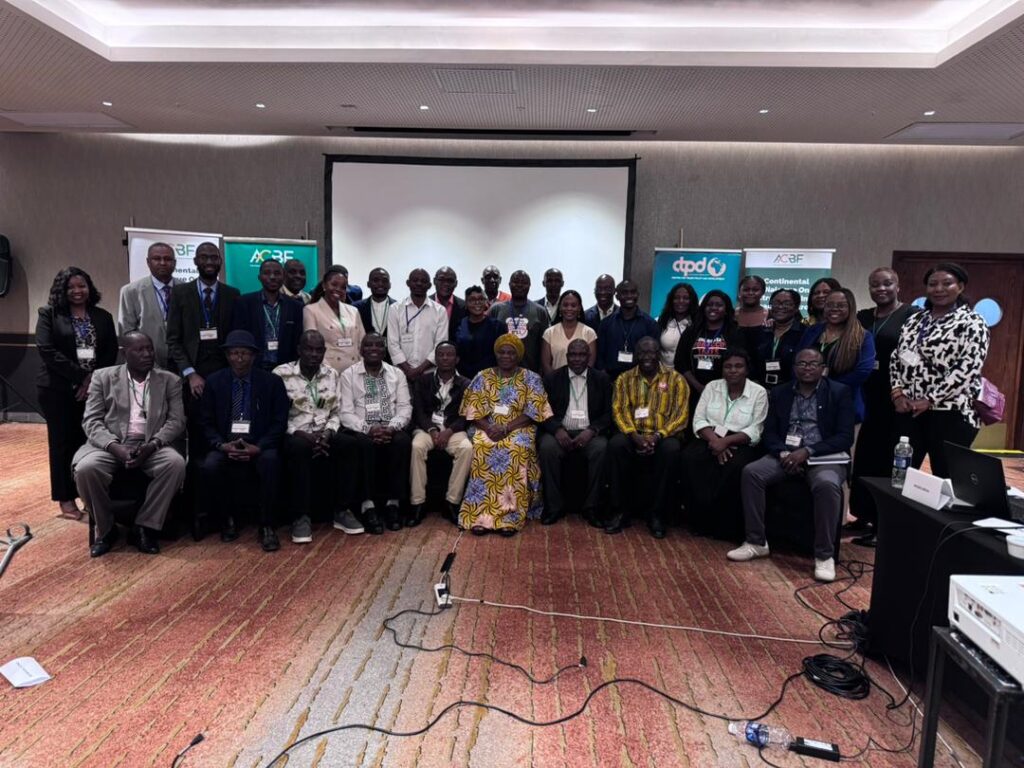
Saturday 25th April, 2026 My ulti-stakeholder meeting on strengthening a unified approach to tobacco control coordination held at the Intercontinental Hotel in Lusaka, Zambia.
Republic of Zambia Saturday 25th April, 2026 Ministry of Health (MoH) Speech on multi-stakeholder meeting on strengthening a unified approach to tobacco control coordination held at the Intercontinental Hotel in Lusaka, Zambia presented by Dr Chrispine Sichone (MoH) Tobacco Control Focal Point Person Dr. Chrispine Sichone
Salutations
Distinguished Ladies and gentlemen, may I simply ride on the protocols earlier established, Good morning
On behalf of the Ministry of Health, it is an honor to welcome you to this important Multi-stakeholder meeting on strengthening a unified approach to tobacco control coordination in Zambia in Zambia.
The government of the republic of Zambia is committed to ensuring that all citizens and entire population in Zambia enjoys a high quality of public health from womb to tomb. One of the things that is currently disturbing the enjoyment of life is the use of tobacco and exposure to tobacco smoke which may take the form of primary secondary or tertiary exposure all of which cause sickness and deaths.
The government is therefore committed to strengthening our capacity to protect the health of our citizens and ensure that our public health policies are not undermined by the interests of the tobacco industry.
Tobacco is the only product that kills 50% of its users even when used according to the manufacturer instructions. Tobacco has no nutritional or health benefits to the human body, there are no safe doses of tobacco whether it enters our bodies through primary smoking, secondary smoke or tertiary smoke.
Tobacco industry interference involves unethical aggressive tactics used by tobacco companies to undermine public health policies, including lobbying governments, leveraging economic arguments, influencing officials and promoting new products to maintain profits. Of late we have seen the tobacco industry embark on the narration of harm reduction where they are promoting new and novel products like e-cigarettes, nicotine pouches, shisha, heated tobacco products to mention a few as less risk while they know that the intention is to use nicotine in these products to addict as many new ones as possible particularly the young ones into tobacco and nicotine use.
Under Article 5.3 of the WHO Framework Convention on Tobacco Control (FCTC), countries are urged to protect policies from these commercial interests, with studies showing 32 countries have banned industry CSR activities.
The tactics used by the industry to interfere with tobacco use and exposure include among others, influencing policy, corporate social responsibility, targeting youth, unnecessary interactions, and promoting the harm reduction narration
Zambia Tobacco Industry Interference Index stands at 83 and has worsened from 2021 when it stood a 78. This is mostly attributed to the Tobacco industry interference.
One of the reasons that has made Zambia as an easy target for tobacco industry is the absence of absence of comprehensive tobacco control law.
May I therefore take a few minutes to update the meeting on the status of the Tobacco law in Zambia.
Zambia ratified the WHO Framework convention on tobacco on 14th May 2008.ideally Zambia should have domesticated the convention within five years but though the process started there was heavy interference by the tobacco industry and this has led to Zambia having no tobacco control law,
Fast forward the government has finally managed to introduce the enactment of the tobacco control bill in Parliament this year. As we speak the bill has already passed the first and second reading and will be going for committee stage and third reading and final enactment next week. It is my sincere hope that with the passage of the law Zambia should be able to handle issues of tobacco interference much better.
The passage of the law in itself is not an end to the problem of tobacco industry interference as they will continually keep changing their tactics including law suits and development of new and novel products on the market.
Handling a big bully like the tobacco industry is not an easy task. It requires handling the issue from various angles and stake holders. This is where the need for unity and this is where the need for multi-stakeholder strengthening and a unified approach to tobacco control coordination becomes key to the success of effectively implementing the WHO FCTC becomes crucial.
[story of tackling a bully and how to win}
It is therefore gratifying to note that various stakeholders are gathered here to prepare for the fight of protecting the current and future generations from the adverse health economic social and environmental effects of tobacco use and exposure to tobacco smoke.
I would therefore be failing in my duties if I don’t thank the organizers and participants of this milestone meeting aimed at ensuring that we tackle the tobacco interference as one united and well-coordinated force.
Ladies and Gentlemen: The adverse health impact of tobacco use is undeniable. Every year, tobacco-related diseases claim millions of lives across the globe, including here in Zambia where over 7000 lives are lost every year it also costs countries a lot in form of health care. These re not just figures these are our grandparents, parents, wives, husbands, daughters and brothers and grandchildren.
Tobacco is a major cause of junkies in the street as well as addiction which starts as addiction to tobacco but extends to other alcohol and hard drug addiction and crime in Zambia rendering the users unproductive members of society.
May we therefore take this meeting seriously and participate effectively as this meeting will go in the history of Zambia as one of the founding stones for an efficient and effective intervention towards the attainment of a health population in Zambia.
Despite the clear evidence of harm, the tobacco industry continues to engage in tactics that seek to shape public policy, influence regulations, and maintain their market share — often at the expense of public health.
The Government of Zambia, through the Ministry of Health, is fully committed to enhancing our tobacco control efforts. But we know that we cannot achieve this alone. It requires a collective effort, involving not only government agencies but also bilateral and multilateral international partners, civil society, health professionals, researchers, and, most importantly, the communities we serve.
Let us use this opportunity to build a stronger, more coordinated response to the tobacco industry, one that prioritizes the health and well-being of all Zambians over the alleged profits.
Ladies and Gentlemen, as I conclude, I would like to reiterate that this meeting is a critical step in our broader goal of protecting public health and working towards the attainment of SDG 3 good health for all at all ages which will culminate in the attainment of 2030 vision.
With those few remarks it is now my singular honor and privilege to declare the Multi-stakeholder meeting on strengthening a unified approach to tobacco control coordination in Zambia officially opened.