Breaking the silence: Rape, reporting, and teaching children early

Ms. Abigail Chibiya
By Abigail Chibiya Pan African Radio 96.1 FM Zambian Children Young People and Women in Development
Breaking the silence: Rape, reporting, and teaching children early
Sexual violence affects women, men, and children. Yet who we hear about, and who stays silent, is shaped by stigma, fear, and how early we teach kids to recognize abuse.

The Diversion Framework (2018) and the Children’s Code Act and complements the Ministry of Community Development and Social Services (MCDSS)–UNICEF Diversion Programme.
Community-Centered Diversion Approach in eight (8) Districts:
• Chipata • Kapiri Mposhi • Chinsali • Katete • Mongu • Livingstone • Ndola • Kitwe
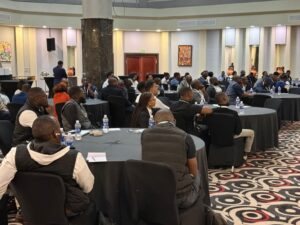
ZCYPWD on Pan African Radio 96.1FM facilitated by Kwacha Magazine Zambia (KMZ), Kwilanzi Newspaper Zambia (KNZ) and Today Zambia Newspaper (TZN).
Why Many Male Survivors Don’t Report
Reported cases of rape overwhelmingly feature women and girls. But research and crisis centers agree: a large number of boys and men are also assaulted, and most never report it.
Common reasons men stay silent:
– *Gender stereotypes*: “Real men” are expected to be strong, dominant, and always in control. Admitting victimization can feel like admitting failure to meet that standard.
– Fear of disbelief or ridicule: Many men worry police, doctors, or friends will dismiss them with “men can’t be raped” or “you must have wanted it.”
– Shame and self-blame: Embarrassment is common for all survivors, but for men it’s compounded by myths that erection or ejaculation means consent. Physiological responses are involuntary and don’t equal consent.
– Concerns about masculinity and sexuality: Male survivors assaulted by men often fear being labeled gay. Those assaulted by women fear no one will take them seriously.
– Institutional gaps: Few support services are tailored to men, and many reporting forms or hospital protocols assume a female victim.
The result: underreporting keeps the true scale hidden. For women, higher reporting doesn’t mean it happens more — it often means social scripts allow them to come forward, while men face extra barriers.
Children: Why Early Knowledge Matters

Children report more often than adult men because they usually disclose to a trusted adult once they understand something wrong happened. But many don’t have the words until after repeated abuse.
So when should they learn?
– Ages 4-6, Preschool to Grade 1: Teach body safety basics. Correct names for private parts, “your body belongs to you,” and the difference between safe vs. unsafe touch. No details about sex needed — just rules: no one should touch private parts, and you can say no.
– Grades 2-4, Ages 7-9: Introduce the concept of boundaries, secrets vs. surprises, and that abuse can be by someone they know. Start naming “sexual abuse” in age-appropriate language: “When someone looks at or touches private parts when it’s not to keep you clean/healthy.”
– Grade 5-6, Ages 10-12: Direct discussion of sexual harassment and rape, defined simply: “When someone forces sexual contact you don’t want.” Include online safety, since grooming often starts digitally.
– Grade 7+, Age 13+: Comprehensive consent education. What consent means, that it can be withdrawn, that alcohol/drugs don’t excuse assault, and resources for help.
Key principle: Give kids language before they need it. A child who knows “this is called sexual abuse and I should tell a safe adult” is far more likely to disclose early.
Teaching About Sexual Harassment
Sexual harassment should be introduced when kids start navigating social groups without constant adult supervision — usually *Grade 3-4*. Frame it as “respect and boundaries”: unwanted comments about bodies, showing private parts, or pressuring for hugs/touch. By *Grade 6-7*, connect it to school policy, online behavior, and how to report.
1. Change the message: Assault is about power, not sex or strength. Anyone can be a victim.
2. Train first responders: Police, teachers, nurses should ask non-judgmental questions and avoid stereotypes.
3. Normalize help-seeking for boys: Campaigns that show male survivors reduce stigma.
4. Make reporting safe: Anonymous hotlines, male-focused counseling, and clear school procedures.
Silence protects perpetrators. Education and reducing stigma protect survivors — regardless of gender or age.
lifeline/ childline Zambia 116