
Cashew Nuts: Zambia’s silent export giant
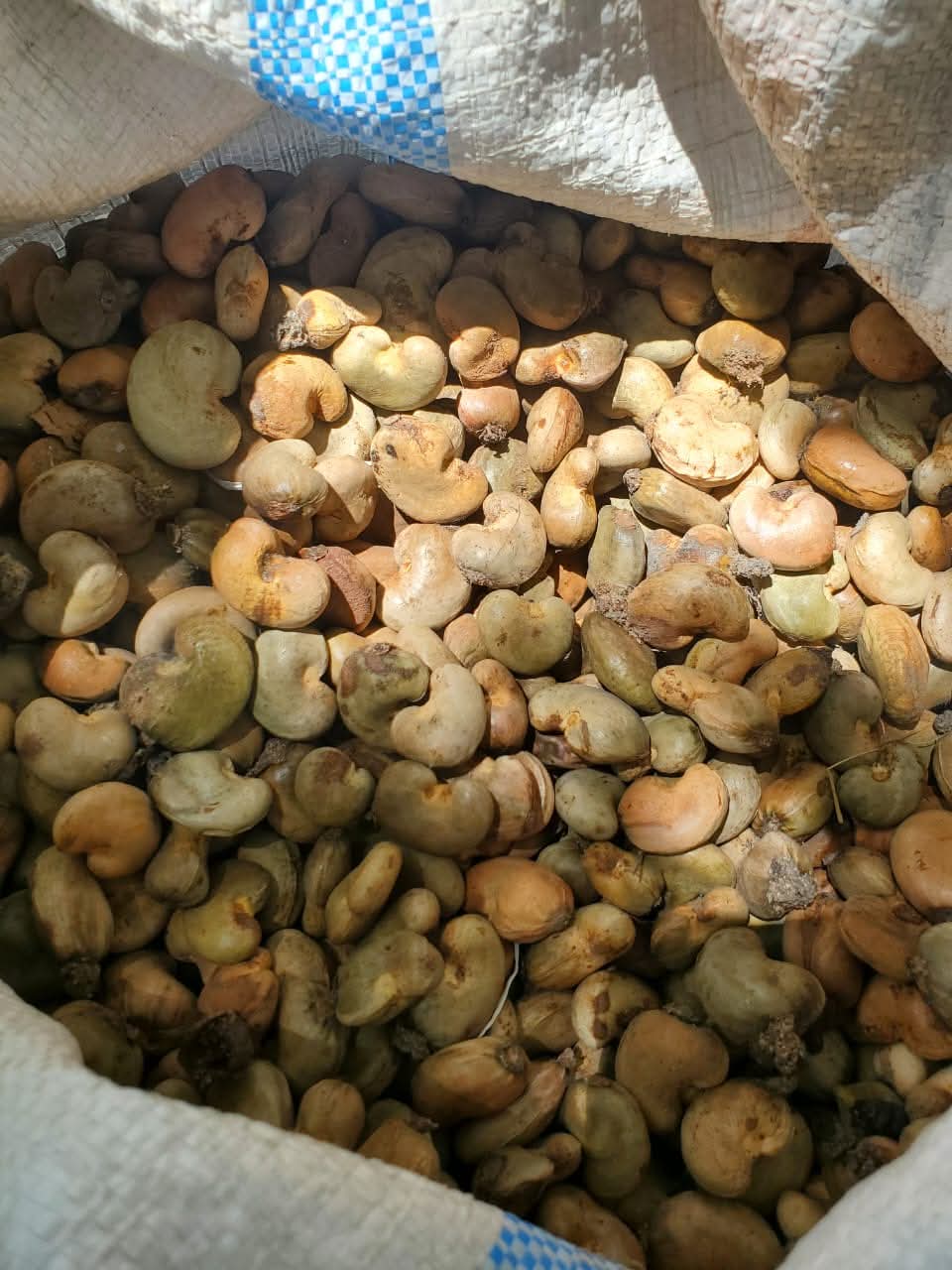
Cashew nuts
Cashew Nuts: Zambia’s silent export giant
By Edward Moonde
Zambia is sitting on a high-value agricultural opportunity that remains unstructured, underregulated, and underindustrialized. The cashew sector, particularly in Western Province, has the foundations of a viable export industry but continues to operate as a fragmented commodity chain.
At the core is a clear imbalance in value distribution. Farmers sell raw cashew nuts at around K10 per kilogram, while processed products reach as high as K260 per kilogram. This 26-fold gap reflects a failure in value capture, where producers earn the least while most returns are realized downstream.

This is not theoretical. It is already visible in Western Province, where farmers sell cheaply while the real value of the crop is realized elsewhere.
The issue extends beyond pricing. It reflects a weakly structured market. Without a regulated farm-gate pricing system linked to export realities, farmers remain exposed to unstable prices and limited bargaining power, while intermediaries capture the gains.
At the same time, limited local processing capacity means Zambia continues to export raw cashew and import higher-value finished products, effectively exporting jobs, industrial growth, and foreign exchange.
There is a clear benchmark. Côte d’Ivoire, the world’s largest producer, generates over 1.2 million metric tons annually through deliberate policy coordination, regulated markets, and sustained investment in processing. The difference lies not in potential, but in execution.
Western Province has the potential to become a cashew-based agro-industrial hub. What is needed is coordinated investment in processing, infrastructure, and market systems, supported by a clear regulatory framework.
Zambia must move beyond production and focus on structure by setting a minimum farm-gate price, regulating buyers, strengthening cooperatives, and expanding domestic processing.
A well-developed cashew sector can increase rural incomes, create jobs, and strengthen export earnings. More importantly, it ensures that value is retained within the country.
This is no longer about potential. It is about correcting a system that works against its own producers.
Cashew nuts are not silent by nature. They have been made silent by inaction.
#Agriculture #Zambia #EconomicDiversification #ValueAddition #AgroIndustry #Policy