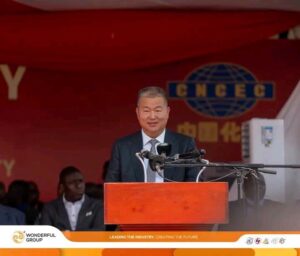
Zambian Children Young People and Women in Development (ZCYPWD) Executive President Derrick Sinjela’s Analysis on Youthful Leaders
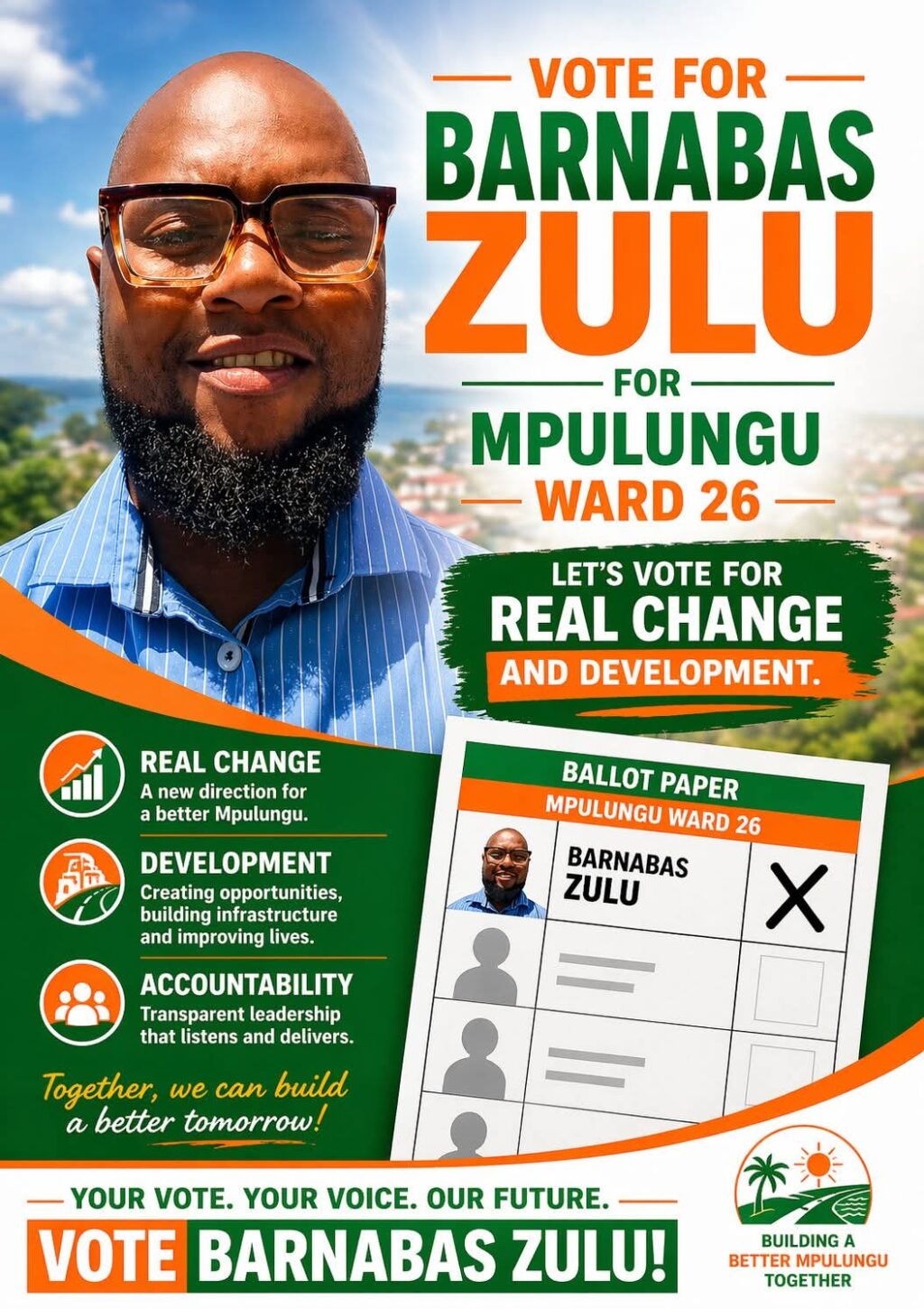
Barnabas Zulu
*Thursday, 30th April, 2026*
Ms. Amukena Sibeso
UNZA Radio frequency: 91.7 FM
Department of Media and Communication Studies, University of Zambia
Phone: +260 211 293 435
Email: unzaradio@unza.zm
Website: https://zeno.fm/radio/unzafm/ 2be0
*Re: Response to Press Query dated Wednesday, 29th April, 2026*
Dear Ms. Sibeso,
Thank you for your inquiry. As a political analyst with *Zambian Children Young People and Women in Development (ZCYPWD)*, I offer the following response regarding the rising interest of young people in contesting the 13th August 2026 General Elections:
*1. What is driving the increased interest of young people in contesting elections?*

The driving force is a clear realization among youth: _to lead now, not tomorrow_. This is not unprecedented. Zambia’s liberation struggle was itself led by young people who seized political and economic power from colonial rule. At just 40, First Republican President *Dr. Kenneth David Buchizya Kaunda* and *Simon Mwansa Kapwepwe* mobilized peers to dismantle imperial occupation.
History shows that youthful leadership is a recurring norm, not an anomaly. Veteran diplomat *Dr. Vernon Johnson Bwalya* became Minister of Foreign Affairs at age 21. Today’s resurgence reflects a similar moment.

Young people are also heeding the late former Finance Minister *Ng’andu Peter Magande*, who repeatedly challenged the notion that youth are “leaders of tomorrow.” Many now reject waiting and are instead presenting academic qualifications, professional experience, and digital fluency that rival — and sometimes surpass — older politicians.
*2. Does this trend reflect genuine political empowerment or symbolic participation?*
This reflects *genuine political empowerment*, evidenced by the sheer number of young people seeking office at all levels: Republican President, Running Mate, Member of Parliament, Mayor/Council Chairperson, and Councillor.

Further, political parties themselves are now led by young people, which legitimizes and encourages peer participation. Examples include *Citizens First (CF)* leader *Harry Kalaba* of the Orange Alliance, *Democratic Union (DU)* President *Ackim Njobvu*, *Patriotic Front (PF) Pamodzi Alliance* leader *Makebi Zulu*, and *National Democratic Congress (NDC)* President *Ms. Saboi Imboela*. Their leadership signals that youth are not tokens, but contenders.
A ZCYPWD mentee, journalist Barnabas Roberts Zulu is vying to get elected as Mpulungu Ward 26 Councillor in Lusaka’s Mandevu Constituency.
Currently working as a journalist at Richard Sakala’s Daily Nation Newspaper, Mr. Zulu, an Anglican by faith is eager and ready to serve.
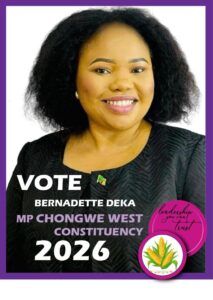
And Bernadette Deka Zulu, a budding female is ready to serve as Chongwe West Parliamentary Constituency representative in Lusaka Province.
*3. How do young candidates compare to experienced politicians in terms of electoral competitiveness?*
Young candidates are equally competitive. *Harry Kalaba* won a parliamentary seat and served diligently as Minister of Foreign Affairs — proof that youth can deliver at the highest levels.
Today’s aspirants combine grassroots energy with data-driven campaigns and issue-specific messaging on water governance, climate, and CDF accountability. Digital platforms level the playing field, allowing a 24-year-old to reach thousands of voters without the patronage networks older politicians rely on.
*4. What impact could rising youth candidacy have on Zambia’s democratic landscape?*
The impact is a fresh infusion of political and economic ideas. Unlike past generations, today’s young leaders are often highly educated and globally exposed through digital access. They draw lessons from peers like *Julius Sello Malema* in South Africa and *President Emmanuel Macron* in France, who assumed leadership young and reshaped national discourse.
This generational shift will reorient Zambia’s democracy toward issues affecting the majority — water safety, unemployment, climate resilience — and align representation with our demographic reality. Zambia’s median age is 21; leadership must begin to reflect that.
Yours faithfully,
*Derrick Sinjela*
_Executive President_
*Zambian Children Young People and Women in Development (ZCYPWD)*
Email: derricksinjela@gmail.com | Phone: 0977 199 447
—