𝗠r. 𝗣resident, 𝗔n apology is not a sign of weakness—𝗜t is a sign of leadership
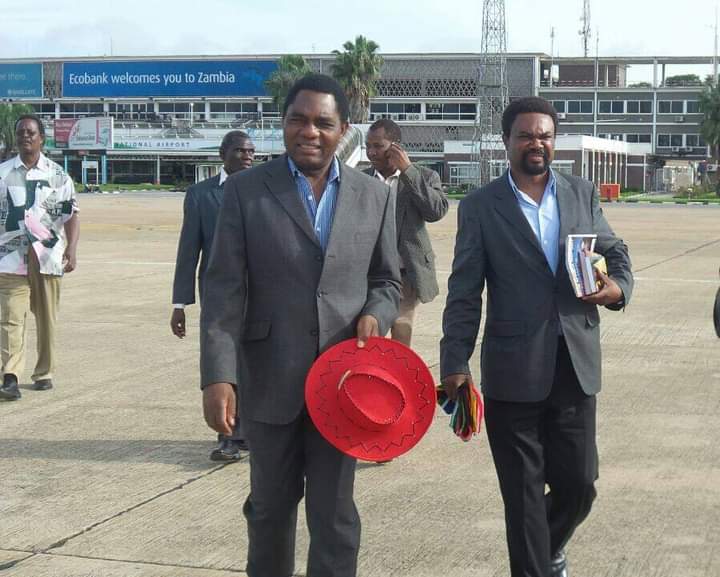
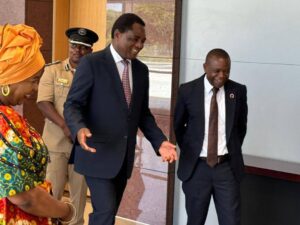
President Hakainde Hichilema with Dr. Canisius Banda
𝑩𝒚 𝑱𝒖𝒍𝒊𝒆𝒏 𝑴𝒘𝒂𝒑𝒆, 𝑫𝒊𝒔𝒂𝒃𝒊𝒍𝒊𝒕𝒚 𝑹𝒊𝒈𝒉𝒕𝒔 𝑨𝒄𝒕𝒊𝒗𝒊𝒔𝒕
As a 𝗗𝗶𝘀𝗮𝗯𝗶𝗹𝗶𝘁𝘆 𝗥𝗶𝗴𝗵𝘁𝘀 𝗔𝗰𝘁𝗶𝘃𝗶𝘀𝘁, I am deeply disturbed by remarks attributed to 𝗣𝗿𝗲𝘀𝗶𝗱𝗲𝗻𝘁 𝗛𝗮𝗸𝗮𝗶𝗻𝗱𝗲 𝗛𝗶𝗰𝗵𝗶𝗹𝗲𝗺𝗮 concerning the eyesight of 𝗛𝗼𝗻. 𝗚𝗮𝗿𝗿𝘆 𝗡𝗸𝗼𝗺𝗯𝗼. Those remarks were perceived as degrading and disrespectful toward people with visual impairments and others living with disabilities.
As a citizen who has consistently advocated for equality, inclusion, and respect for the rights of persons with disabilities, I cannot remain silent when words from the highest office in the land are perceived as demeaning or dismissive of disability. Leaders have a responsibility to uphold the dignity of every citizen, and their words should promote respect, inclusion, and unity rather than reinforce stigma or discrimination.
These remarks have also raised serious concerns among persons with disabilities across Zambia. Public officials, especially those occupying the highest office in the land, should set an example by using language that respects the dignity of every citizen, regardless of physical ability or disability. Political debate should focus on ideas, policies, and leadership, not on personal characteristics or disabilities that individuals did not choose.
The rights of persons with disabilities are protected under the Constitution of Zambia and other national laws that promote equality, non-discrimination, and full participation in public life. These protections should not exist only on paper; they must be reflected in the words and actions of all leaders.
As a citizen who has consistently advocated for equality, inclusion, and respect for the rights of persons with disabilities, I cannot remain silent when words from the highest office in the land are perceived as demeaning or dismissive of disability. Every Zambian deserves to be treated with dignity, and our leaders have a duty to foster respect, inclusion, and unity rather than reinforce stigma or discrimination.
Mr. President, leadership is not only measured by policies and laws; it is also measured by the words spoken in public. Words can unite a nation, but words can also hurt, exclude, and reinforce harmful attitudes.

If Zambia has embraced constitutional principles of equality and inclusion, then those principles must be reflected in both actions and language. Persons with disabilities cannot be invited into the national conversation on one hand and then made to feel ridiculed or marginalized on the other.
The Constitution recognizes the dignity and equal rights of all citizens. The Bible teaches us that every person is created in the image of God. Therefore, whether one is able-bodied or living with a disability, every Zambian deserves respect and equal treatment.
Politics is a contest of ideas, policies, and visions for the country. It should never descend into personal attacks, ridicule, or language that can be interpreted as undermining the dignity of persons with disabilities.
𝗧𝗼𝗱𝗮𝘆, 𝘄𝗲 𝗮𝘀𝗸 𝗱𝗶𝗳𝗳𝗶𝗰𝘂𝗹𝘁 𝗯𝘂𝘁 𝗻𝗲𝗰𝗲𝘀𝘀𝗮𝗿𝘆 𝗾𝘂𝗲𝘀𝘁𝗶𝗼𝗻𝘀:
If persons with disabilities become targets of insults and intimidation simply for participating in public life, what message does that send to young people living with disabilities who aspire to leadership?
If those in positions of authority use language that is perceived as offensive, who will protect the rights and dignity of vulnerable citizens?
If constitutional promises of inclusion are not accompanied by respect, then what does inclusion truly mean?
As Disability Rights Activists, we challenge institutions mandated to defend the rights of persons with disabilities, including the Zambia Agency for Persons with Disabilities (ZAPD) and civil society organizations, to speak consistently against all forms of discrimination, intimidation, and harmful political rhetoric.
Mr. President, an apology would not diminish your office. On the contrary, it would strengthen it. It would send a clear message that Zambia is a nation where every citizen matters, where leaders listen, and where human dignity is protected without exception.
𝗣𝗲𝗿𝘀𝗼𝗻𝘀 𝘄𝗶𝘁𝗵 𝗱𝗶𝘀𝗮𝗯𝗶𝗹𝗶𝘁𝗶𝗲𝘀 𝗮𝗿𝗲 𝗻𝗼𝘁 𝗼𝗯𝗷𝗲𝗰𝘁𝘀 𝗼𝗳 𝗿𝗶𝗱𝗶𝗰𝘂𝗹𝗲.
𝗪𝗲 𝗮𝗿𝗲 𝗻𝗼𝘁 𝗽𝗼𝗹𝗶𝘁𝗶𝗰𝗮𝗹 𝘁𝗼𝗼𝗹𝘀.
𝗪𝗲 𝗮𝗿𝗲 𝗰𝗶𝘁𝗶𝘇𝗲𝗻𝘀.
𝗪𝗲 𝗮𝗿𝗲 𝗹𝗲𝗮𝗱𝗲𝗿𝘀.
𝗪𝗲 𝗮𝗿𝗲 𝘃𝗼𝘁𝗲𝗿𝘀.
𝗪𝗲 𝗮𝗿𝗲 𝘁𝗮𝘅𝗽𝗮𝘆𝗲𝗿𝘀.
And we are entitled to participate fully in the governance of our country without fear of mockery, insults, or discrimination.
The struggle for disability rights is not a struggle for special treatment, it is a struggle for equal respect.
History will judge us not by how loudly we speak about inclusion, but by how faithfully we defend the dignity of every person.
𝗠𝗿. 𝗣𝗿𝗲𝘀𝗶𝗱𝗲𝗻𝘁, 𝘁𝗵𝗶𝘀 𝗶𝘀 𝘁𝗵𝗲 𝗺𝗼𝗺𝗲𝗻𝘁 𝘁𝗼 𝗿𝗶𝘀𝗲 𝗮𝗯𝗼𝘃𝗲 𝗽𝗼𝗹𝗶𝘁𝗶𝗰𝘀, 𝗮𝗳𝗳𝗶𝗿𝗺 𝘁𝗵𝗲 𝗱𝗶𝗴𝗻𝗶𝘁𝘆 𝗼𝗳 𝗽𝗲𝗿𝘀𝗼𝗻𝘀 𝘄𝗶𝘁𝗵 𝗱𝗶𝘀𝗮𝗯𝗶𝗹𝗶𝘁𝗶𝗲𝘀, 𝗮𝗻𝗱 𝗼𝗳𝗳𝗲𝗿 𝘄𝗼𝗿𝗱𝘀 𝘁𝗵𝗮𝘁 𝗵𝗲𝗮𝗹 𝗿𝗮𝘁𝗵𝗲𝗿 𝘁𝗵𝗮𝗻 𝗱𝗶𝘃𝗶𝗱𝗲.
EDITORS NOTE
The Zambian Whistleblower is currently fundraising to purchase essential equipment for independent election monitoring.
Please send or deposit your contribution via Airtel Money to: {+260779729123/ PRECIOUS MWEENE } or Get in touch with us on WhatsApp +263789364451
Every donation, no matter the size, make s a difference.
John 8:32 “And you will know the truth, and the truth will set you free.”
#zambianwhistleblower #zwb
©️ Zambian Whistleblower
https://www.facebook.com/share/1K6SvYCasa/