One Ministry, Many Hopes: Culture and Arts Finds Its Own House
Realignment, Reasonable Worries and a Call for Policy Direction
By Sydney Muponda, PhD | Educator & Literary Expert
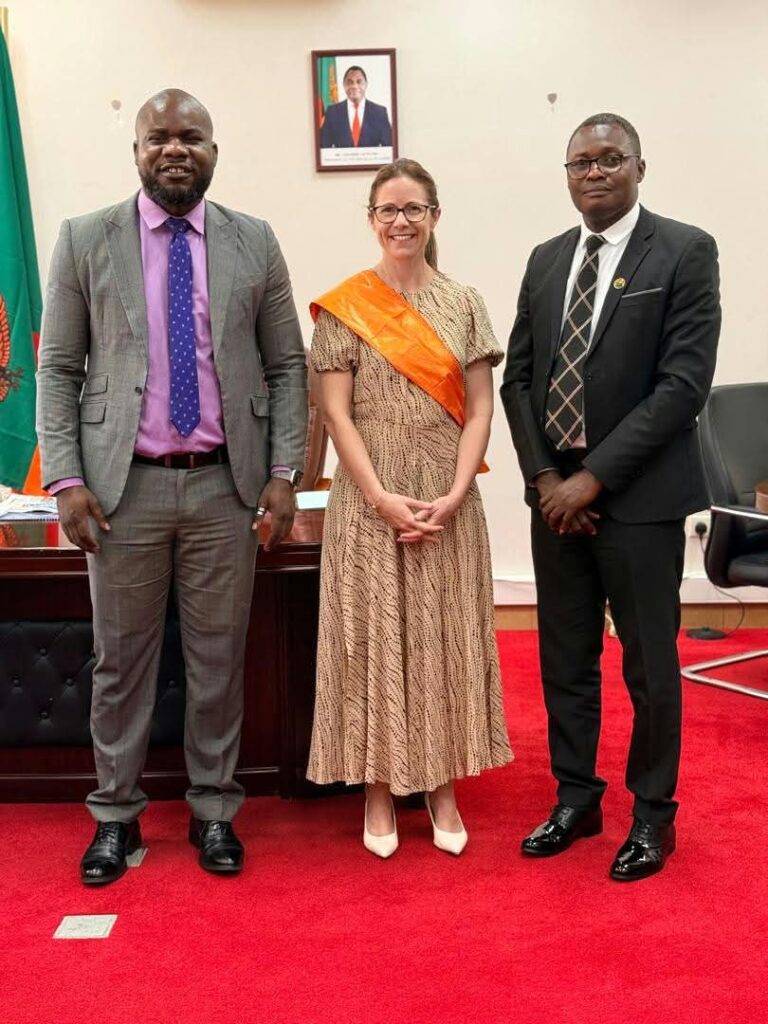
In late October, President Hakainde Sammy Hichilema’s government reorganised itself. Parliament approved raising the number of ministries to 30, and five were dissolved, among them Youth, Sport and Arts. In its place stands a new, standalone Ministry of Culture and Arts, led by Minister Christopher Chibuye, with Youth and Sports now separate.
For practitioners, this is more than a change of letterhead. Arts moved to Youth, Sport and Arts in 2021, after years alongside tourism. Now it has a house of its own, and I count that as a hope.
Hope one: a dedicated ministry can give writers, musicians, designers, filmmakers and cultural custodians focused attention rather than a share of someone else’s agenda.
Hope two: culture and arts are being named as an economic sector able to attract tourists and create jobs, not just entertain at national events.
Hope three: the Ministry of Education and the new Ministry of Skills and Higher Education now have a natural partner for embedding creative arts in learning.
But a good citizen asks honest questions, so let me state the worries.
Critics, including civil society voices, have questioned whether a 30-ministry government is affordable and efficient. Culture and Arts must prove it is not an expense but an investment. Every realignment also carries transition risks: staff reassigned, mandates unclear, and the National Arts Council, heritage bodies and departments unsure of their reporting lines. Meanwhile, a ministry without a budget line is only a signboard.
My deepest worry is continuity. Recent years brought promising conversations on creative sector funding, labour standards and business summits. Will they carry over, or restart from zero?

sydneymdocs@gmail.com
This is why I call on government, Parliament, practitioners, educators and the private sector to support clear policy direction now:
- A national cultural and creative industries policy, finalised with practitioners at the table, setting priorities for the new ministry.
- A budget that matches the mandate, including funding for local content, publishing and artists’ livelihoods.
- Clear institutional roles for the Ministry, the National Arts Council and partner ministries, so no creator is sent from office to office.
- Literary and book sector inclusion, linking locally authored books to the free education now law.
- Measurable targets and public reporting, so impact is judged by livelihoods, not events.
A house is only as good as what is decided inside it. Let us help the Ministry of Culture and Arts begin with clarity, partnership and purpose.
Sydney Muponda, PhD, is an educator and literary expert. This column appears weekly.