
Celebrating the media’s Role in climate-smart development
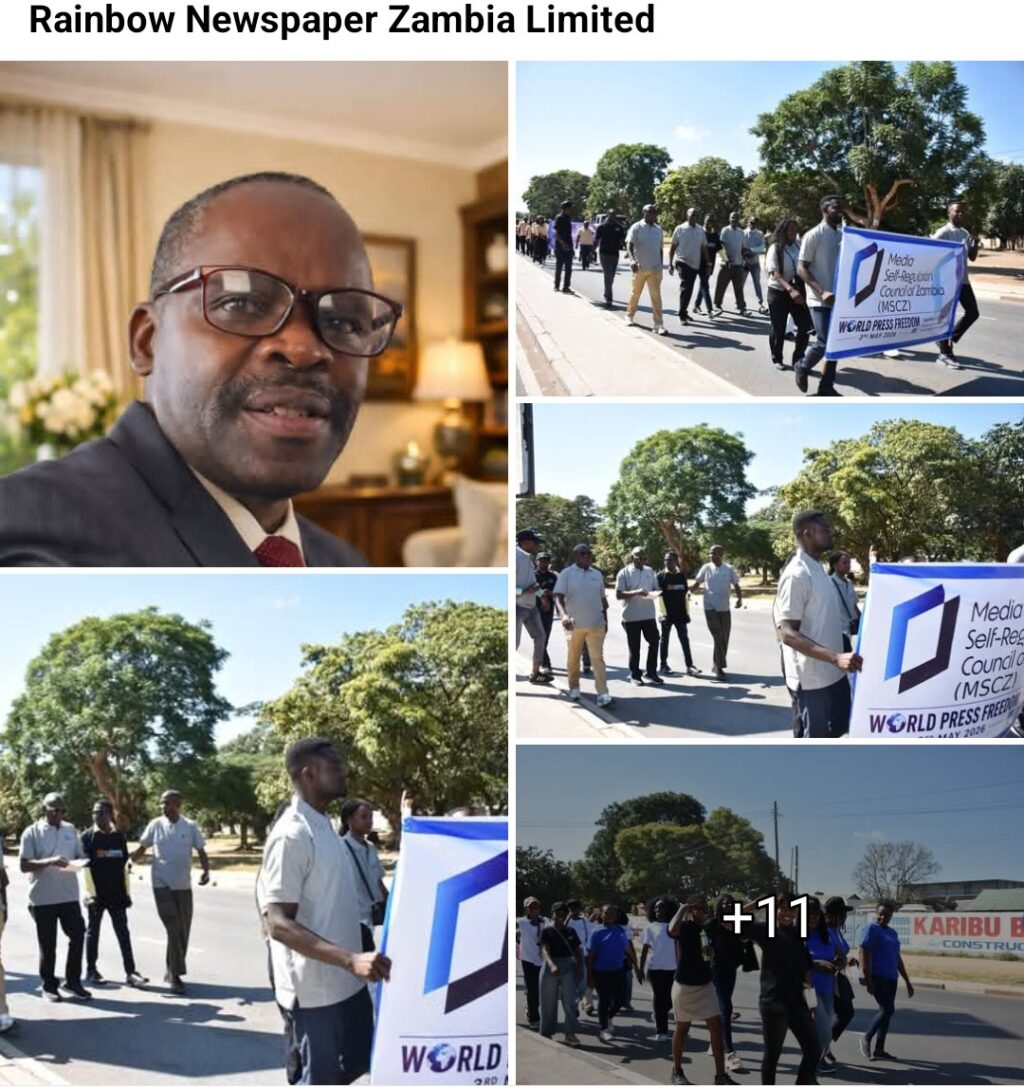
By Dr.Oliver Kandela Bulaya
A nation’s progress is not defined solely by economic growth or infrastructure development; it is equally reflected in the strength, independence, and integrity of its voice. That voice is embodied in the media informs, scrutinises, and connects society in ways that shape national direction.
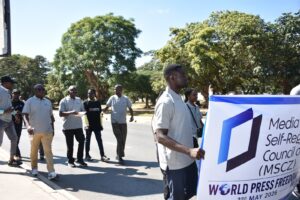
As Zambia commemorated World Press Freedom Day, it is both fitting and necessary to recognise the indispensable contribution of the media to national development. Across sectors, the media has served as a critical bridge between policy and the public, translating complex issues into accessible knowledge while holding institutions accountable.Its role in informing, educating, and shaping public discourse remains central to the functioning of any progressive society.
Nowhere is this contribution more evident than in the agricultural sector, particularly in the promotion of climate-smart agriculture. Over the years, the media has played a pivotal role in raising awareness about sustainable farming practices, resilience strategies, and innovations designed to respond to climate variability.
Through consistent reporting, feature stories, and field coverage, journalists have brought the realities of smallholder farmers into national focus, highlighting both challenges and opportunities within the sector.This sustained visibility has not only elevated the importance of agriculture in public discourse but has also contributed to behavioural change among farmers and stakeholders.
Practices such as conservation farming, crop diversification, and improved water management have gained traction in part because of the media’s ability to communicate their value effectively. In many instances, this work has been carried out with limited resources, driven more by professional commitment than financial incentive.
Equally important has been the media’s role in amplifying the voices of rural communities. Documenting the lived experiences of farmers, especially in the face of climate shocks, journalists have helped shape policy conversations and influenced the prioritisation of agricultural interventions.
This function accentuates the media’s broader mandate not merely to report events, but to elevate issues that matter for inclusive and sustainable development. However, as we celebrate these contributions, it is imperative to confront the structural challenges facing the media sector.
A free and effective press cannot thrive in an environment marked by intimidation, harassment, or uncertainty. Journalists must be able to operate without fear, confident that their work is protected under the principles of press freedom and democratic governance.
Safeguarding the Fourth Estate is not a symbolic gesture; it is a strategic necessity. When access to information is restricted or when media practitioners are constrained, the entire development ecosystem is weakened. Transparency diminishes, accountability erodes, and public trust is compromised.
For Zambia to realise its full developmental potential,
✅the media must be protected as a key institutional pillar.
✅Beyond protection, there is also a pressing need to address the welfare of media professionals.
✅Fair and dignified remuneration is essential to sustaining a credible and independent press. When journalists are adequately supported, they are better positioned to uphold ethical standards, resist undue influence, and deliver high-quality reporting that serves the public interest.
✅Investment in the welfare of media practitioners is, therefore, an investment in the integrity of national discourse.
As Zambia continues to pursue agricultural transformation and climate resilience, the partnership between policymakers, practitioners, and the media will remain critical.
The progress achieved thus far, demonstrates what is possible when information flows freely and when the media is empowered to perform its role effectively. On this year’s World Press Freedom Day, the message is clear: appreciation must be matched with action. Protect the media. Support its practitioners. Strengthen its capacity.
In doing so, Zambia will not only uphold democratic values but also accelerate its journey toward inclusive and sustainable development.
The media is not merely a witness to progress, it is an active driver of it. For the past years, we have consistently worked together to amplify our voice on Climate Smart Agricultire and issues regarding policy and agricultural advancement in our country.
Thank you for the massive contribution to this noble cause.
Our voice shall be heard. We live today to impact tomorrow. Stop deforestation and forest degradation. Act against climate change. Environmental and biodiversity protection key to sustainable development.
Arise Zambia Agriculture A sleeping Economic Giant. Together we can!
The author is an expert in Climate-Smart Agriculture, Organizational Leadership and Project Management. He is the Projects & Communication Lead at the Conservation Farming Unit and Executive Director of the Agriculture Climate Action Foundation. For feedback, send comments to: acafoundationzambia@gmail.com or WhatsApp: +260-956-261174