
Media Statement on the proposed 24-hour economy in Zambia by Dr. Sebastian C. Kopulande President (People’s Party) Thursday 19 March 2026
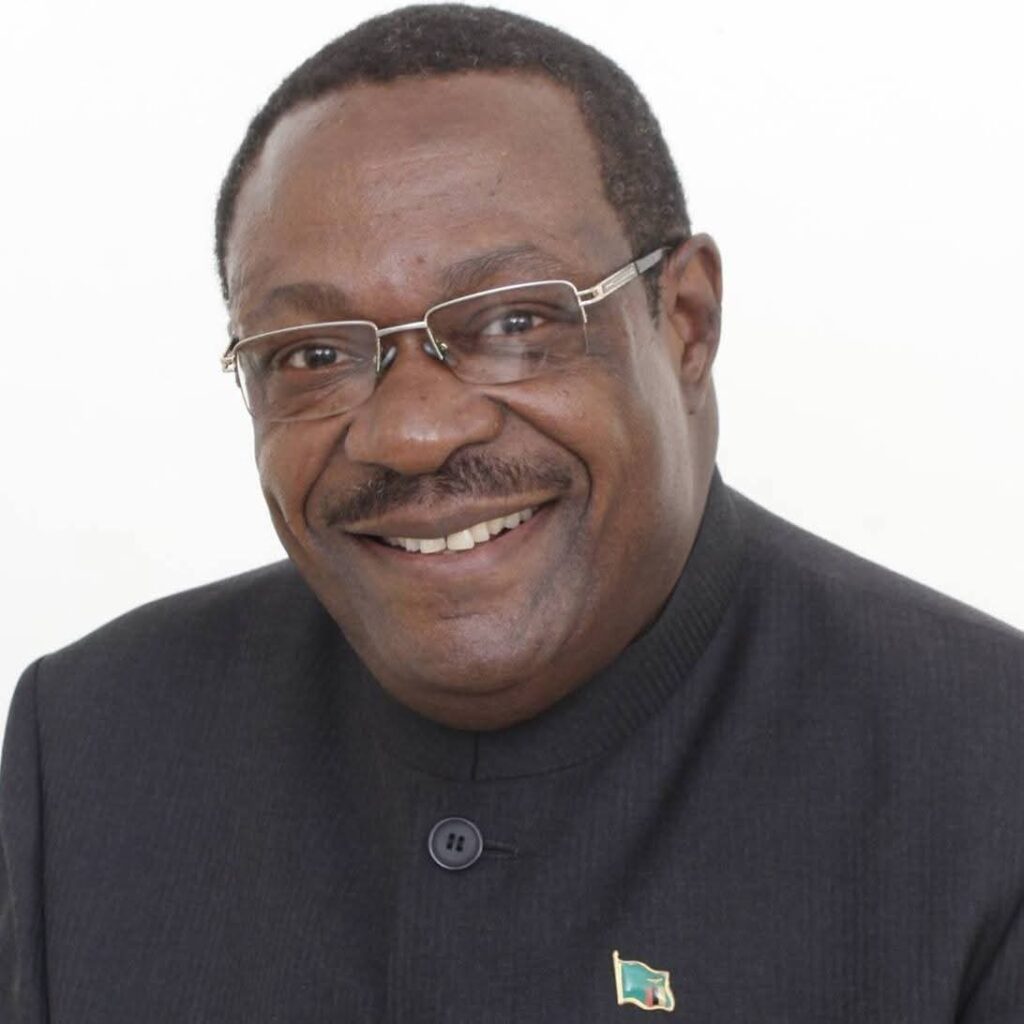
Media Statement on the proposed 24-hour economy in Zambia by Dr. Sebastian C. Kopulande President (People’s Party) Thursday 19 March 2026
Fellow Zambians, Members of the Press,
Following several requests from the media and other stakeholders, I wish to address the nation today on the recent announcement by Government that Cabinet has approved a policy to establish a 24-hour economy in Zambia, extending business and operational hours across markets, bus stations, and commercial enterprises.
At the outset, let me state clearly and without ambiguity: we support the principle of a 24hour economy. It is, in theory, a progressive and forward-looking concept. It speaks to increased productivity, expanded economic activity, and the potential for job creation, particularly for our youths.
However, fellow citizens, leadership demands that we go beyond applause for good ideas and ask a more fundamental question: Is Zambia structurally prepared to implement this policy successfully?
To start with, let me make it clear that from my years of Government experience, this idea is NOT new: it has been discussed several times before within government, within the private sector, and even within previous government administrations. The concept of a 24-hour economy has previously appeared in Zambia’s policy discourse, including within the Patriotic Front’s broader job creation and industrialisation agenda, but it was never developed into a structured, implementable national programme. Like many other initiatives that the UPND has claimed to have started, the 24-hour economy is not a UPND innovation, just like CDF, Free Education, Cash for Work and now School Feeding. These are NOT UPND ideas; they are copied from past administrations. The 24-hour economy proposition has been examined, debated, and ultimately set aside, not because it lacked merit, but because it lacked the necessary structural foundation for implementation.
Those who came before understood a simple but critical truth: you cannot run a 24-hour economy on a 12-hour infrastructure setting.
Today, we must confront the same reality. Our country continues to face serious structural challenges. We are experiencing energy instability, with load shedding that disrupts even daytime productivity. Our urban centres struggle with night-time security, raising legitimate concerns for both businesses and citizens. Public transport systems are largely inactive after dark, making it difficult for workers to move safely. And the informal sector, where the majority of our people earn their livelihoods, operates in conditions that lack adequate lighting, sanitation, and basic infrastructure.
Under these conditions, a 24-hour economy risks becoming not a transformative policy, but a symbolic politically-inspired declaration without economic substance. A genuine 24-hour economy is not simply about extending business hours. It is about restructuring the economy into a system that can sustain continuous productivity. Now, fellow citizens, that requires deliberate planning and investment across several critical areas.
First and foremost is energy. No economy operates in darkness. Without a reliable and stable power supply, this policy cannot succeed. We must prioritise energy security, diversify our energy sources, and ensure that key economic zones have guaranteed supply of electricity.
The fact that those who have been exporting our electricity have for the last two months given us the priviledge to enjoy some light and live near-normal lives for unexplained reasons, albeit at great cost (after 4 years of 21-hour darkness) is not itself a guarantee of energy security. If they come back after August this year, rest assured we shall cry and the 24-hour economy will collapse under the weight of the coming load shedding. Remember they even told us to clap for them for giving us 3 hours of power every day!
Secondly, there must be a deliberate and visible framework for night-time security. Economic activity follows safety. Businesses will not operate, and citizens will not participate, in an environment where they feel unsafe. This requires enhanced policing, improved street lighting, and the use of modern surveillance systems in key commercial areas.
Thirdly, a 24-hour economy requires a functioning transport and logistics system that operates around the clock. Workers must be able to travel safely, and goods must move efficiently. Without this, extended business hours will remain theoretical.
Fourthly, we must consider the human dimension. A shift-based economy changes how people live and work. It requires clear labour protections, fair compensation for night work, and systems that safeguard the wellbeing of workers and their families. We therefore need a new labour law framework to support the 24-hour economy.
Finally, implementation must be phased and strategic. We cannot simply declare a nationwide 24-hour economy overnight. We must begin with sectors that are structurally capable: industrial zones, logistics systems, and large-scale commercial enterprises before gradually expanding.
As the People’s Party, we therefore take a responsible and implementation-driven position. We support the idea of a 24-hour economy, which in fact is not new, but we reject politically motivated policy announcements, copied from past administrations without acknowledgment, with superficial implementation, without clear statement of modalities. If entrusted with leadership, we will anchor this policy on energy reform, infrastructure development, and sound economic planning, not knee-jerk politically-instigated announcements in an election year, crafted to impress voters. We will ensure that it is introduced in a structured and sustainable manner, and that its benefits are felt by ordinary Zambians, not just a few large businesses.
We must also offer a word of caution to the Government. Zambia has seen too many wellintentioned policies fail because they were not matched with the necessary groundwork. This must not become another announcement that excites headlines today and disappoints the nation tomorrow. This is what we are seeing today with the much-celebrated “school-feeding program” which has no supporting infrastructure and facilities but simply a campaign gimmick.
If poorly implemented, a 24-hour economy will not create prosperity. Instead, it will increase costs for businesses, expose citizens to greater insecurity, strain our already weak systems, and ultimately erode public confidence, ending up as a disastrous experiment.
Fellow citizens, a nation does not become prosperous simply because it operates for longer hours. It becomes prosperous when those hours are productive, secure, and economically meaningful. A nation becomes prosperous only when citizens are sufficiently empowered to own and run the 24-hour economy, not where the profits of the longer business hours are destined for foreign juridictions where the owners of the means of production come from while your citizens get even more exploited for no real benefit.
The goal is not merely to have a 24-hour economy. The goal is to build a high-productivity economy that works for Zambians; day and night.
We therefore call for careful preparation, pilot implementation, and clear accountability in the execution of this policy. Zambia deserves not only lofty “Salt Sana” ideas that have been cut and pasted from the past without acknowledgment, but policies that are practical, deliverable, and transformative.
May God bless you, and may God bless the Republic of Zambia.
I thank you. – Media Statement on the proposed 24-hour economy in Zambia by Dr. Sebastian C. Kopulande President (People’s Party) Thursday 19 March 2026