Zambia enhancing public health emergency response
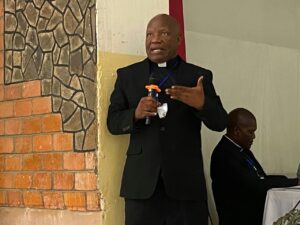
Dr. Simpungwe
Ministry of Health (MoH) Permanent Secretary Technical Services (PS-TC) Dr. Kennedy Lishimpi reiterated the vital role of the MoH Zambia in enhancing the nation’s preparedness and response to public health emergencies.
In a speech read by MoH Director Dr Matilda Kakungu-Simpungwe, Dr. Lishimpi tabulated public health emergencies— disease outbreaks, natural disasters, and other health threats— as having far-reaching effects on communities, disrupting health systems, and impeding national development.
Dr. Lishimpi says it is imperative for countries to establish robust and coordinated frameworks that respond swiftly and efficiently to these challenges.
“In Zambia, the Ministry of Health provides essential leadership, policy direction. and coordination within the health sector. Through this mandate, we strive to ensure that our health systems remain prepared, responsive, and resilient in the face of emergencies that threaten the health and well-being of our population.

The Emergency AVoHC Surge Core is a significant initiative aimed at bolstering our national capacity to respond to public health emergencies. This framework unites trained health professionals who can be rapidly deployed to support emergency response efforts across the country. Having a readily available surge workforce is crucial for ensuring that Zambia can respond effectively to disease outbreaks, humanitarian crises, and other public health threats. With skilled professionals prepared for deployment, we are better equipped to safeguard our communities and mitigate the impact of emergencies,” explained Dr. Lishimpi.
Dr. Lishimpi says the Ministry of Health plays a central role in coordinating the deployment of emergency teams, providing technical guidance, and ensuring that the necessary systems for effective response are established,
“Equally vital to our emergency response efforts is the availability of essential medicines and medical supplies,” said Dr. Lishimpi.
To this end, Dr. Lishimpi noted that the Ministry of Health continues to collaborate closely with the Zambia Medicines and Medical Supplies Agency (ZAMMSA), thus ensuring the timely procurement, storage, and distribution of the medical commodities required for supporting emergency response teams.
Dr. Lishimpi says the Emergency AVoHC Surge Core success hinges on strong partnerships. “MoH continues to work alongside national institutions, cooperating partners, and international organizations to strengthen disease surveillance, emergency preparedness, and response capabilities. Together, these efforts enhance our health system’s resilience and capacity to protect the Zambian people from both emerging and re-emerging public health threats,” said Dr. Lishimpi.
Dr. Lishimpi restated the Ministry of Health Zambia steadfast commitment to support the Emergency AVoHC Surge Core as part of our broader mission to safeguard public health and enhance national emergency preparedness.
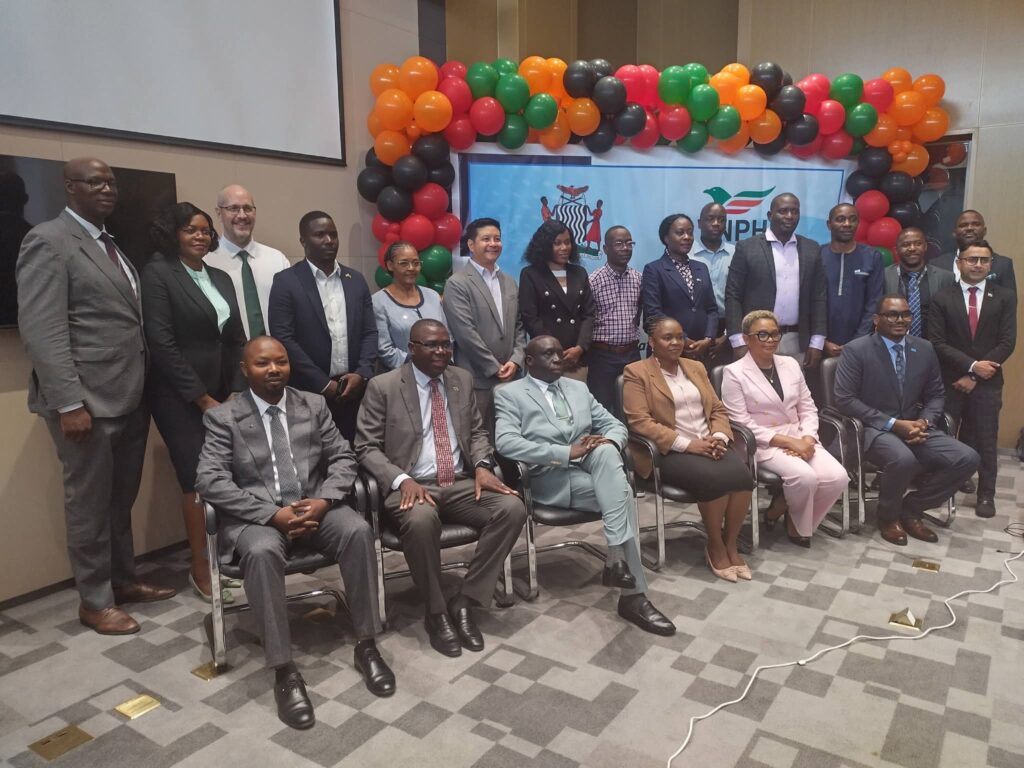
“Together, we can build a responsive and resilient health system for the benefit of our nation,” Dr. Lishimpi told the Emergency AVoHC Surge Core at Mulungushi International Conference Centre Kenneth Kaunda New Wing (MICC-KKNW) attended by Zambia National Public Health Institute (ZNPHI) Director General Professor Roma Chilengi, World Health Organization (WHO) Country Director, Centers for Disease Control and Prevention,(Assistant Director – Emergency Preparedness and Response) Representatives of Cooperating Partners, Members of the Emergency Response Teams and Health Sector colleagues.
Acknowledging MoH, WHO AFRO, Africa CDC, the WHO Country Office, government ministries, agencies, academia, and cooperating partners, ZNPHI Director General Professor Roma Chilengi saw their presence as a reflection of the strong partnership that underpins Zambia’s commitment to strengthening health security.
Pegging present day health emergencies as increasingly complex, Professor Chilengi cited outbreaks, climate-related disasters – floods, and other emerging threats as requiring rapid, coordinated and well-resourced responses.
Painting the Africa Volunteer Health Corps SURGE initiative as a timely strategy, Prof. Chilengi called on countries on the African continent to essentially build strong national surge capacity.
“This initiative provides an opportunity to strengthen national emergency response workforce capacity, improve coordination mechanisms, and ensure that countries are better prepared to respond quickly and effectively when emergencies occur. At ZNPHI and within the Ministry of Health, we have already made significant progress in strengthening Zambia’s emergency preparedness and response systems,” said Prof. Chilengi.
One area of progress noted by Prof. Chilengi is the development of Emergency Medical Teams (EMTs).
“Zambia has successfully inducted its first EMT cohort and begun establishing systems that will allow trained health professionals to be deployed rapidly during outbreaks, disasters, and other emergencies. We have also strengthened our Rapid Response Teams across the country. This has included structured training of multidisciplinary teams, development of operational SOPs, and establishment of national and sub-national rostering systems to ensure that skilled responders are ready for deployment at any time.
Importantly, these efforts are being implemented using a One Health approach, bringing together human health, animal health, environmental sectors, and other government institutions,” said Prof. Chilengi. As emergencies do not respect sectoral boundaries, Prof. Chilengi called for integrated responses.
“In the context of the International Health Regulations, Zambia continues to strengthen key preparedness capacities. Among these is the development of civil–military coordination SOPs, which will support effective collaboration between health authorities and defense forces during major emergencies. However, as we continue strengthening these systems, we recognize that surge capacity remains a critical area for further development.

This is why this scoping mission is extremely important. It gives us an opportunity to take stock of our current capacities, identify existing gaps, and collectively define a clear path forward.
One of the key outcomes we hope to achieve during this meeting is the development of a national roadmap and costed workplan that will guide the rollout of the SURGE initiative in Zambia. This roadmap will help us define where we are today, where we want to be, and the practical steps required to get there. We are particularly keen to continue strengthening our national emergency response workforce and hope that Zambia can also be considered for AVoHC SURGE training opportunities as the initiative progresses,” noted Prof. Chilengi.
Prof. Chilengi noted that strengthening surge capacity is tilted toward ensuring that when emergencies occur, systems respond faster and invariably communities being better protected.
Prof. Chilengi encouraged participants to engage and develop practical and impactful recommendations capable of strengthening Zambia’s emergency preparedness and response capacity.

ZNPHI, in collaboration with the MoH and partners— WHO and Africa Centre for Disease Control (Africa CDC) — is hosted a scoping mission on the implementation of the Africa Volunteer Health Corps—Strengthening and utilising Response groups in emergencies Initiative in Zambia from 16–19 March 2026 at the Mulungushi International Conference Centre Kenneth Kaunda New Wing (MICC-KKNW).