DAPP Child Diversion and Rehabilitation Project
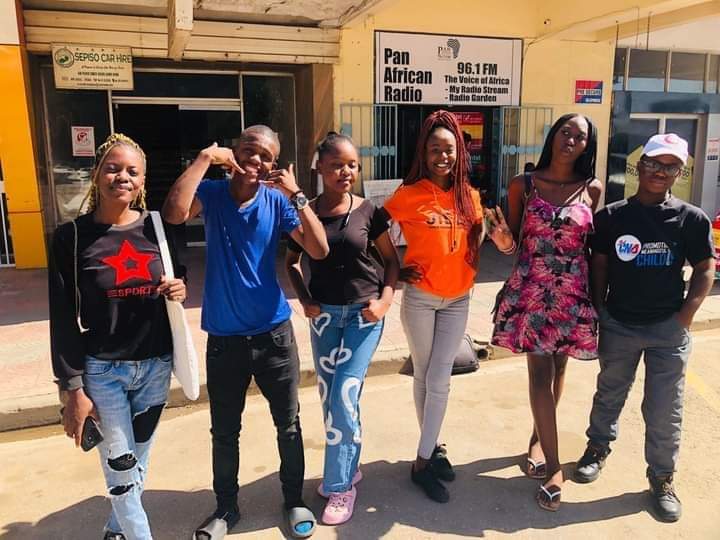
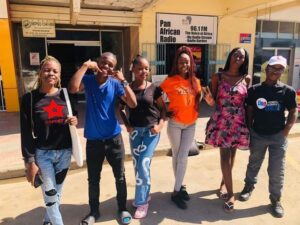
Zambian Children, Young People, and Women in Development (ZCYPWD) after a Saturday Morning interactive session with in studio and virtual participants and listener from 08:-09 hours on Pan African Radio 96.1FM in Lusaka
Join Issac Ntalasha and Abigail Chibiya on the Zambian Children Young People and Women in Development (ZCYPWD) built in 2011 on a mantra: ‘Nothing for Us, Without Us’, will on Saturday, 7th February 2026 discuss the “DAPP Child Diversion and Rehabilitation Project” on Pan African Radio 96.1FM ‘The Voice of Africa’ from 08:00 hours-09: 00 hours. To participate call and share a 45second to 1.30 minute audio video on +260773824130 and+260976394176
The DAPP Child Diversion and Rehabilitation Project strengthens diversion systems to rehabilitate and reintegrate children in conflict with the law through child-friendly, rights-based and community-supported alternatives to formal justice.
The project aligns with the Diversion Framework (2018) and the Children’s Code Act and complements the Ministry of Community Development and Social Services (MCDSS)–UNICEF Diversion Programme.
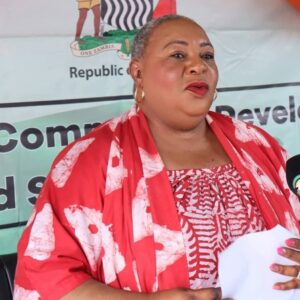
Community-Centered Diversion Approach
The project works with communities, police and social welfare offices to identify and support children through diversion, with communities playing a key role in mediation, reconciliation and sensitisation.
Diversion is a structured process that promotes accountability, restoration, behaviour change and reintegration.
Restorative and Rehabilitative Services
As a registered Diversion Service Provider, DAPP delivers a range of restorative and rehabilitative measures tailored to the needs of each child, family and community. These include:
Restorative Measures
• Mediation between the child offender and the victim, facilitated by trained Project Leaders appointed by the District Social Welfare Officer.
• Restitution processes, including facilitation of apologies, return of stolen items, or agreed payments in cash or kind, with follow-up to ensure compliance.
• Counselling services (individual, family or group) to promote reconciliation, rehabilitation and community harmony.
Rehabilitative Measures
• Support and monitor individual diversion plans through regular family and community follow-ups and reporting to Social Welfare Offices
• Provide family referrals to social protection and specialised services where vulnerabilities exist
• Support education, vocational skills, basic economic needs and activity-based therapy
• Safeguard vulnerable children through referrals to appropriate care and protection services.
Community Sensitisation and District Engagement
The project actively promotes awareness, acceptance and ownership of diversion through:
• Community sensitisation meetings on diversion criteria, children’s rights and the role of families and communities in successful diversion
• District coordination meetings bringing together government institutions, civil society and faith-based organisations to share progress, challenges and best practices
• Community radio programmes to reach wider audiences with diversion messages and advocacy
• Participation in district and national commemoration events related to children’s rights and child protection.
Target Areas
The project will be implemented in eight (8) districts. Within each district, the project will work in three (3) communities, each linked to a Police Station or Police Post.
Districts:
• Chipata
• Kapiri Mposhi
• Chinsali
• Katete
• Mongu
• Livingstone
• Ndola
• Kitwe
Expected Outcomes
• Safe and effective diversion systems that protect children
• Stronger government and community capacity for diversion
• Improved rehabilitation, reintegration and reduced reoffending
• Increased community acceptance of diversion and children’s rights
• Better coordination among diversion stakeholders
Project Full Name
DAPP Child Diversion and Rehabilitation Project
Project Goal
To strengthen diversion systems that rehabilitate and restore children in conflict with the law while protecting their rights, dignity and future opportunities.
Target Beneficiaries
• Children in conflict with the law who meet diversion criteria
• Families and caregivers of children under diversion
• Victims and communities affected by child offending
• Community members reached through sensitisation and advocacy activities
Implementation Structure
• Project Leaders based in districts (each covering 1–2 districts)
• Support from National Headquarters Coordinators
• Close collaboration with MCDSS, Zambia Police, NPA, Courts, DEC, CBOs, FBOs and private sector actors
Indicative Outputs (Overall):
• 180 children provided with diversion services
• 135 children successfully completing diversion
• 45 children supported to return to school
• 90 children linked to specialised services or skills training
• 180 children/families supported with economic strengthening
• 18 district coordination meetings
• 36 community sensitisation meetings
• 27 community radio programmes
Project Duration
January 2026 – December 2027 (with potential for scale-up nationwide).