Zambia targets tourism boom as Government projects higher occupancy, stronger connectivity and deeper private sector investment
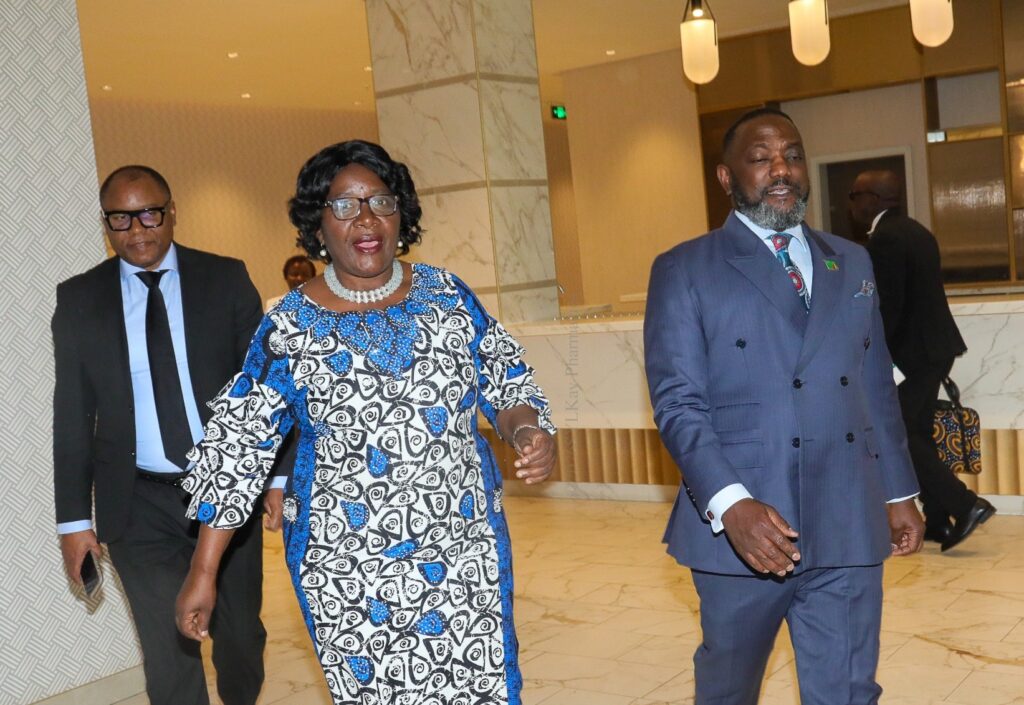
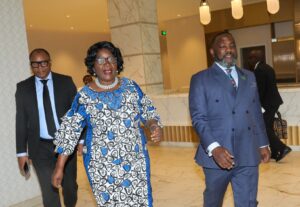
Ministry of Tourism Permanent Secretary (PS) Mr. Evans Muhanga (left), Minister of Labour and Social Security Brenda Tambatamba (centre) and Tourism Minister Rodney Malindi Sikumba (right ) arrive at Intercontinental Hotel in Lusaka on Tuesday, 27th January, 2025
By Francis Lungu, Wednesday, January 28, 2026 – Lusaka
The Zambian Government has projected a strong rebound and expansion of the tourism sector, with expectations of 65 percent average room occupancy for international arrivals and a 20 percent growth in domestic tourism, as part of a broader drive to position the country as a top destination in Africa.
Minister of Tourism Rodney Sikumba announced the projections in Lusaka while addressing stakeholders from the tourism and hospitality industry, the private sector, and cooperating partners, noting that Zambia has made significant progress but still has room to do more.
“We are projecting an average room occupancy rate of about 65 percent from international arrivals and a 20 percent increase in domestic tourism, which tells us that the sector is on a strong recovery and growth trajectory,” Mr. Sikumba said. “However, government alone cannot deliver this growth. The private sector is a critical partner in unlocking the next phase through investment in infrastructure, destination development, product diversification and aggressive marketing.”
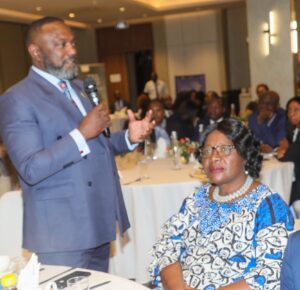
Mr. Sikumba said government now sees the private sector as a critical partner in unlocking the next phase of growth, particularly through investment in tourism infrastructure, destination development, and marketing.
He explained that increased budgetary allocation to the tourism sector, coupled with growing support from cooperating partners, is expected to translate into improved performance, but stressed that efficiency and accountability in the use of resources remains key.
“For the first time, we are now able to track and capture the full value of finances flowing into the tourism sector through the Central Bank, and this will greatly improve transparency and accountability,” he said.
“It will help us understand exactly how much is coming in, where it is going, and whether it is truly contributing to increased visitor numbers and better-quality tourism products.”
The minister revealed that the Ministry of Tourism is now able to track and capture the full value of finances flowing into the sector through the Central Bank, a move aimed at improving transparency and helping both government and industry players understand how much is being received and how it is being spent.
Mr. Sikumba said this improved financial visibility will help guide decision-making and ensure that funding directly contributes to growing visitor numbers and improving the quality of tourism products.
He further highlighted Zambia’s long-standing and new conservation partnerships, which are supporting wildlife reproduction and habitat management, describing them as essential for sustaining nature-based tourism.
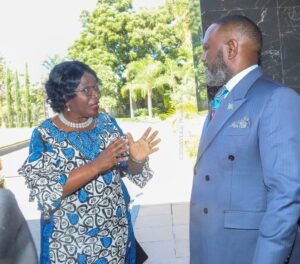
According to the minister, the country has performed well in recent years, but must aim higher to ensure Zambia becomes a “top-of-mind” destination for international travelers.
Mr. Sikumba said Zambia has experienced a growing positive buzz on international platforms, including within United Nations forums, and urged stakeholders to take advantage of this momentum to grow their businesses and the sector as a whole.
“We have heard the concerns from the industry regarding regulatory challenges, and we are committed to continuous engagement,” Mr. Sikumba said. “Any reforms we undertake must create a win-win situation for both government and the private sector, while also standing the test of time.”
He acknowledged concerns from industry players regarding regulatory challenges, stating that government has listened and is committed to continuous engagement to ensure that legislation is modernized and responsive to current realities.
The minister emphasized that regulatory reforms must create a win-win situation for both government and the private sector, while standing the test of time.
He called on stakeholders to be patient and open-minded during consultations, noting that inclusive dialogue is necessary to develop practical and sustainable solutions.
On infrastructure, Mr. Sikumba admitted that access roads in and around some protected areas remain poor, but disclosed that government, with partner support, has acquired security and maintenance equipment for several national parks.
“We acknowledge that access roads in and around some protected areas remain a challenge, but with the support of our partners we have acquired security and maintenance equipment for several national parks,” he said.
“Zambia has about 2,500 kilometres of internal park roads, and we will be working closely with operators on structured deployment plans to improve accessibility.”
Addressing human-wildlife conflict, the minister said Zambia has recorded a reduction in cases and is strengthening measures to prevent settlements in wildlife corridors and between protected areas.
He added that government is working with operators to enhance tourist safety and to ensure wildlife management practices balance conservation, community livelihoods, and tourism growth.
Mr. Sikumba also encouraged private sector players to invest more in digital marketing and collaborative promotion of Zambia’s natural resources.
He revealed that since 2021, government has processed 54 agreements and signed six transboundary conservation agreements with neighbouring countries, including Angola and Namibia, to ensure wildlife protection across borders.
The minister identified connectivity as a major growth driver, noting ongoing collaboration between the Ministry of Tourism, Ministry of Transport and Logistics, and aviation authorities to increase passenger numbers and improve utilisation of the country’s five international airports.
“Connectivity is a major growth driver for tourism, and that is why we are working with the Ministry of Transport and Logistics and our aviation authorities to increase passenger numbers and improve utilisation of our five international airports,” Mr. Sikumba said.
“Better connectivity will directly translate into higher arrivals and longer stays.”
He said 2026 priorities include boosting domestic tourism by 20 percent, strengthening district-level tourism development, finalising legal reforms, and sustaining stakeholder engagement.
Meanwhile, Minister of Labour and Social Security Brenda Tambatamba said strong governance, accountability, and labour reforms are essential to sustaining tourism sector growth.
“Strong governance, accountability and labour reforms are essential if we are to sustain growth in the tourism sector,” Ms. Tambatamba said. “As government, we are focusing on uplifting informal enterprises into the formal economy and strengthening governance systems across organisations of all sizes.”
Ms. Tambatamba said government is focusing on uplifting informal enterprises into the formal economy and strengthening governance systems across organisations of all sizes.
She noted that beyond gross domestic product, tourism must also contribute to “gross domestic happiness” by ensuring workers are well treated, safe, and properly skilled.
“Tourism must contribute not only to gross domestic product, but also to what I call gross domestic happiness,” she said. “This means ensuring that workers in the sector are well treated, safe, properly skilled and able to earn a decent living.”
The minister said several pieces of labour legislation, including the Employment Code Act, Industrial and Labour Relations Act, and Occupational Safety and Health Act, are under review to modernise the labour environment and support productivity.
“We are reviewing key pieces of legislation such as the Employment Code Act, the Industrial and Labour Relations Act and the Occupational Safety and Health Act to modernise our labour environment and support productivity,” Ms. Tambatamba said. “We are also reforming the Workers’ Compensation Fund and expanding occupational safety oversight beyond mining to include tourism and other industries.”
Ms. Tambatamba also announced reforms to the Workers’ Compensation Fund and expansion of occupational safety oversight beyond the mining sector to cover tourism and other industries.
She invited tourism stakeholders to engage with the Ministry of Labour and Social Security to jointly refine policies and strengthen social dialogue.
Both ministers reaffirmed government’s commitment to working closely with industry players to unlock Zambia’s full tourism potential and ensure the sector delivers inclusive and sustainable growth.