Bamako Convention: Hope for Lusaka waste dilemma
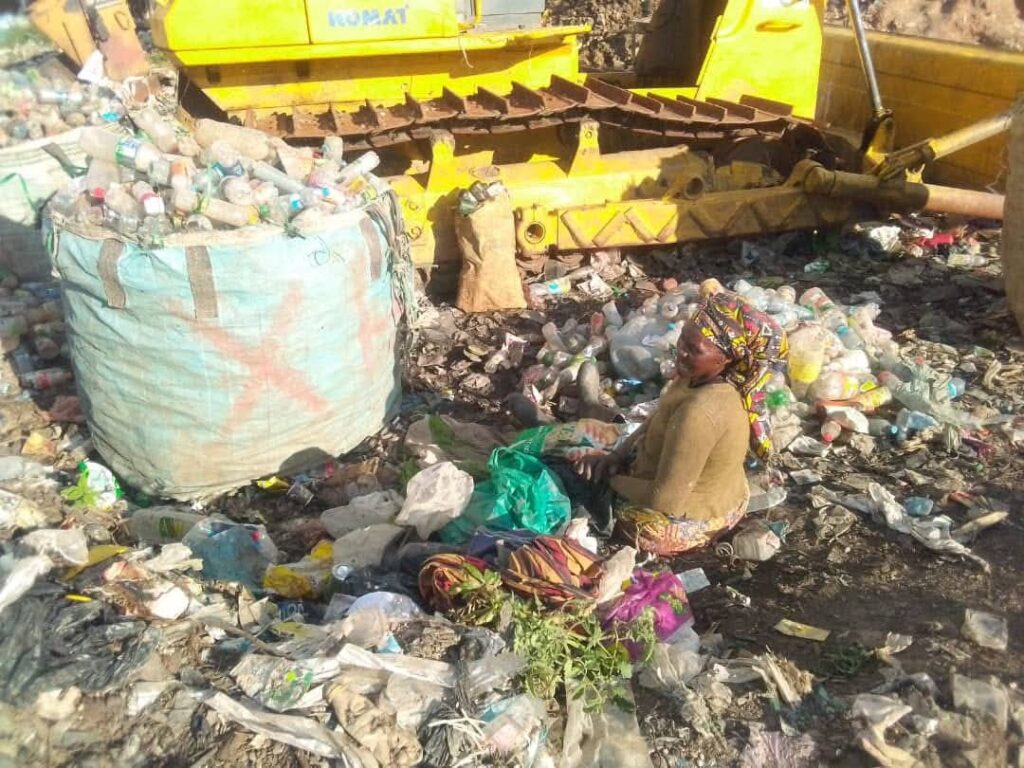
Lusaka’s Chunga dumpsite
By Thandiwe Moyo
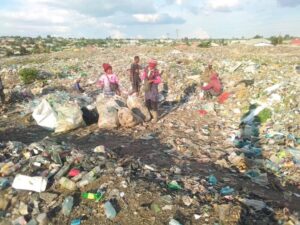
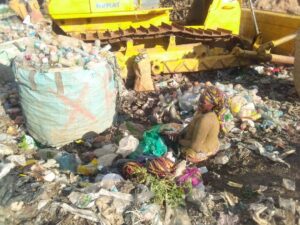
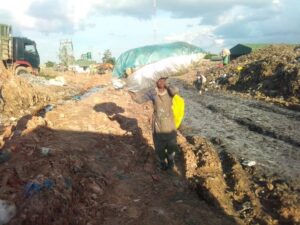
Smoke rises from piles of rotting refuse as scavengers comb through waste at Lusaka’s Chunga dumpsite, the city’s main disposal site and a growing public health concern for nearby communities.
Lusaka generates about 1,500 tonnes of solid waste a day, but only around half is collected, according to city officials. The rest is dumped illegally, worsening pollution and increasing the risk of disease outbreaks in a city that has struggled with recurrent cholera.
Chunga landfill, covering roughly 10 hectares, is Lusaka’s only government-gazetted waste disposal facility and is managed by Lusaka City Council (LCC). Residents living nearby say smoke from burning waste, leachate and pests have contributed to rising cases of respiratory illness, skin infections and diarrhoeal disease.
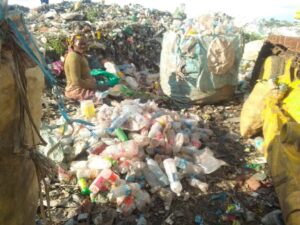
“We receive about 40 percent of Lusaka’s daily waste, but the site is overwhelmed,” said Emmanuel Mulenga, a loader operator at Chunga. “Some trucks bring waste from outside the city, and there is poor management.”
The Zambia Environmental Management Agency (ZEMA), which regulates hazardous waste handling and disposal, has deployed defence personnel to guard the dumpsite as part of efforts to limit scavenging during a cholera outbreak. ZEMA says it is also reviewing measures to improve operations at Chunga.
Residents say conditions remain largely unchanged.
“The smell is constant, and flies and cockroaches are everywhere,” said Chilimba Bwalya, who lives in Namununga township near the dumpsite. “My children are often sick with diarrhoea.”
Environmental specialists say the problems at Chunga reflect systemic weaknesses in waste governance, including poor enforcement, limited waste separation and inadequate infrastructure to handle hazardous materials.
Although Chunga is intended for solid waste, hazardous materials including medical waste, chemicals and electronic scrap are often mixed with household refuse, exposing communities and informal waste pickers to toxic substances.
Zambia is a party to the Bamako Convention, a pan-African treaty adopted in 1991 that bans the import of hazardous waste into Africa and strictly regulates its movement and disposal. The convention is more stringent than the global Basel Convention, imposing a complete ban on hazardous waste imports and requiring environmentally sound management within countries.
The treaty was established after cases in which foreign companies dumped toxic waste in African states with weak regulatory oversight, a practice critics described as “toxic colonialism”.
While the Bamako Convention does not govern municipal waste directly, legal experts say it provides a framework for controlling hazardous waste streams that often end up in open dumpsites like Chunga when enforcement is weak.
A clearer example of its application can be seen in neighbouring Malawi, where authorities tightened controls on used lead-acid batteries, a hazardous waste linked to lead poisoning. By strengthening customs inspections and licensing requirements in line with Bamako obligations, Malawi increased interceptions of undocumented battery imports and directed waste to licensed recycling facilities, according to environmental officials. The measures reduced informal backyard recycling, which had exposed communities to lead contamination.
Analysts say similar enforcement in Zambia could help prevent hazardous waste from being dumped or burned at sites such as Chunga.
ZEMA says it regulates hazardous waste transport, storage and disposal, and licenses private companies to manage specialised waste. However, analysts say weak tracking systems and limited inspection capacity undermine oversight, allowing hazardous waste to enter general waste streams.
Failure to separate and control hazardous waste, they say, runs counter to Bamako requirements that states minimise risks to public health and the environment.
The government, with support from partners including the Japan International Cooperation Agency (JICA), has invested in waste management initiatives in Lusaka. But experts say the city lacks an integrated system that combines reliable collection, waste separation, recycling infrastructure and engineered landfill design.
Without stronger enforcement, residents near Chunga fear conditions will continue to deteriorate.
“Living here is very difficult,” Bwalya said. “We just want to be safe.”
As urban populations grow across southern Africa, waste volumes are rising faster than regulation and infrastructure. Environmental specialists say the Bamako Convention provides African governments with a legal tool to curb hazardous waste flows but only if its provisions are enforced consistently at national and local levels.